
Table of Contents for
Mastering Wireshark 2

Version ebook / Retour

Cover image for bash Cookbook, 2nd Edition Mastering Wireshark 2 by Andrew Crouthamel Published by Packt Publishing, 2018
  1. Mastering Wireshark 2
  2. Title Page
  3. Copyright and Credits
  4. Mastering Wireshark 2
  5. Packt Upsell
  6. Why subscribe?
  7. PacktPub.com
  8. Contributor
  9. About the author
  10. Packt is searching for authors like you
  11. Table of Contents
  12. Preface
  13. Who this book is for
  14. What this book covers
  15. To get the most out of this book
  16. Download the color images
  17. Conventions used
  18. Get in touch
  19. Reviews
  20. Installing Wireshark 2
  21. Installation and setup
  22. Installing Wireshark on Windows
  23. Installing Wireshark on macOS
  24. Installing Wireshark on Linux
  25. Summary
  26. Getting Started with Wireshark
  27. What's new in Wireshark 2?
  28. Capturing traffic
  29. How to capture traffic
  30. Saving and exporting packets
  31. Annotating and printing packets
  32. Remote capture setup
  33. Prerequisites
  34. Remote capture usage
  35. Summary
  36. Filtering Traffic
  37. Berkeley Packet Filter (BPF) syntax
  38. Capturing filters
  39. Displaying filters
  40. Following streams
  41. Advanced filtering
  42. Summary
  43. Customizing Wireshark
  44. Preferences
  45. Appearance
  46. Layout
  47. Columns
  48. Fonts and colors
  49. Capture
  50. Filter buttons
  51. Name resolution
  52. Protocols
  53. Statistics
  54. Advanced
  55. Profiles
  56. Colorizing traffic
  57. Examples of colorizing traffic
  58. Example 1
  59. Example 2
  60. Summary
  61. Statistics
  62. TCP/IP overview
  63. Time values and summaries
  64. Trace file statistics
  65. Resolved addresses
  66. Protocol hierarchy
  67. Conversations
  68. Endpoints
  69. Packet lengths
  70. I/O graph
  71. Load distribution
  72. DNS statistics
  73. Flow graph
  74. Expert system usage
  75. Summary
  76. Introductory Analysis
  77. DNS analysis
  78. An example for DNS request failure
  79. ARP analysis
  80. An example for ARP request failure
  81. IPv4 and IPv6 analysis
  82. ICMP analysis
  83. Using traceroute
  84. Summary
  85. Network Protocol Analysis
  86. UDP analysis
  87. TCP analysis I
  88. TCP analysis II
  89. Graph I/O rates and TCP trends
  90. Throughput
  91. I/O graph
  92. Summary
  93. Application Protocol Analysis I
  94. DHCP analysis
  95. HTTP analysis I
  96. HTTP analysis II
  97. FTP analysis
  98. Summary
  99. Application Protocol Analysis II
  100. Email analysis
  101. POP and SMTP
  102. 802.11 analysis
  103. VoIP analysis
  104. VoIP playback
  105. Summary
  106. Command-Line Tools
  107. Running Wireshark from a command line
  108. Running tshark
  109. Running tcpdump
  110. Running dumpcap
  111. Summary
  112. A Troubleshooting Scenario
  113. Wireshark plugins
  114. Lua programming
  115. Determining where to capture
  116. Capturing scenario traffic
  117. Diagnosing scenario traffic
  118. Summary
  119. Other Books You May Enjoy
  120. Leave a review - let other readers know what you think

Installing Wireshark on Linux

Installing Wireshark on Linux will differ, based on the distribution that you're using. Here, I'm using one of the most common distributions available: Ubuntu. In order to install Wireshark, perform the following steps:

  1. We'll go to the Ubuntu software application; go ahead and click on that and we'll search for synaptic:
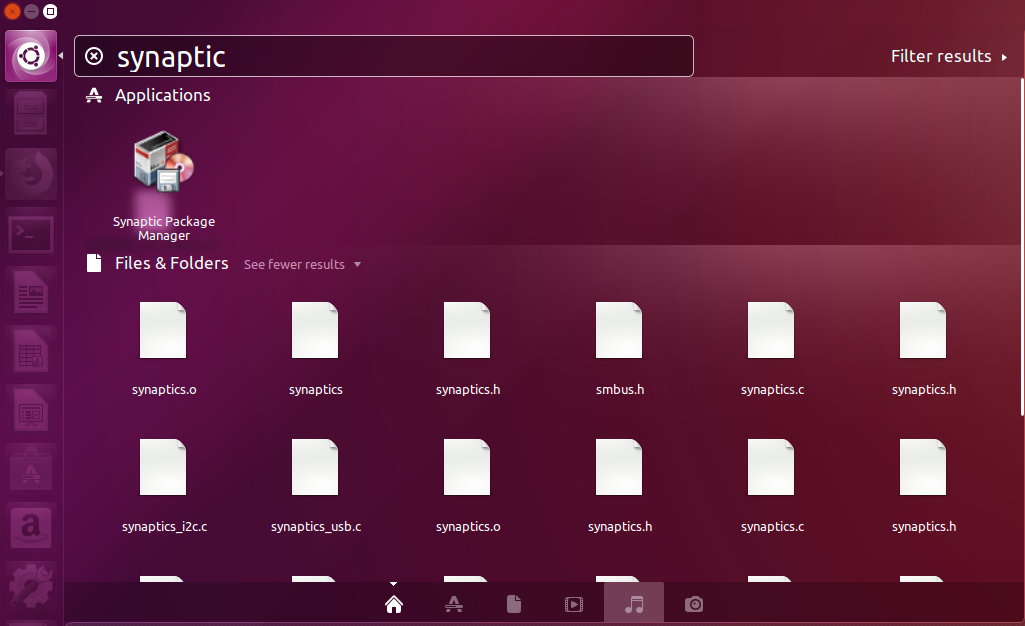
Synaptic is a package manager similar to the Ubuntu software application, but it gives you more control.
  1. Simply click on Install; enter your administrator password (your root password) and the software will be installed:
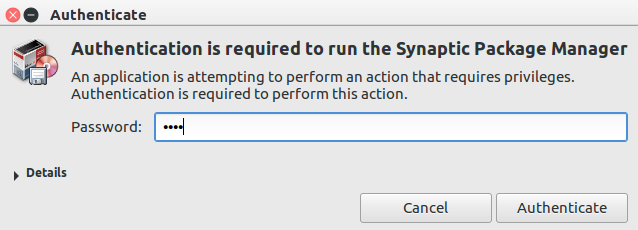
  1. Go ahead and click on Synaptic Package Manager to open that up. Enter in our credentials again, and now we have our Synaptic application loaded:
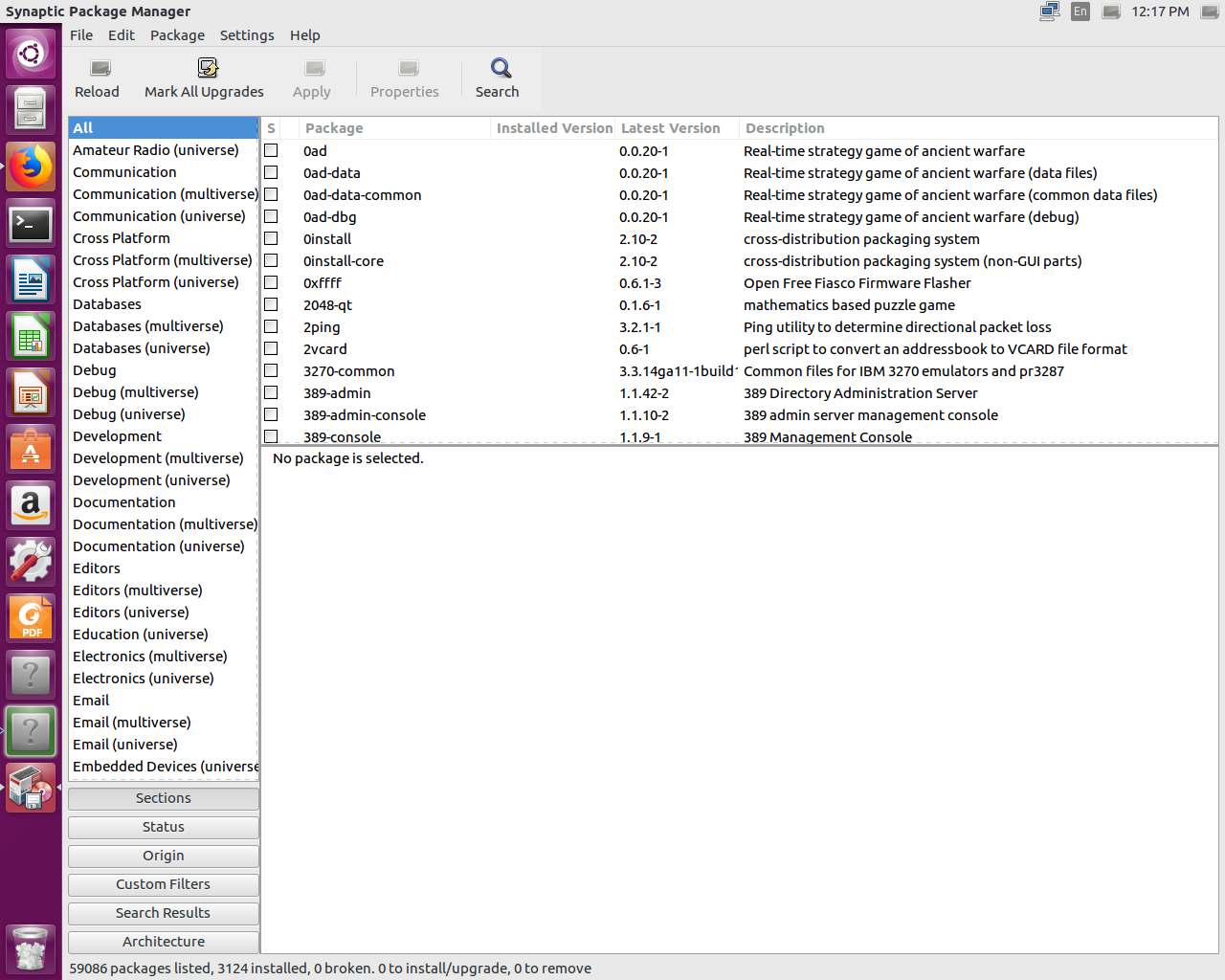
  1. This is again very similar to the Ubuntu software application, but it's less pretty.
  2. Click on the Search button, and we will search for Wireshark. Enter wireshark and click on Search, and you'll see everything that has Wireshark in its name or description now shows up in the package list:
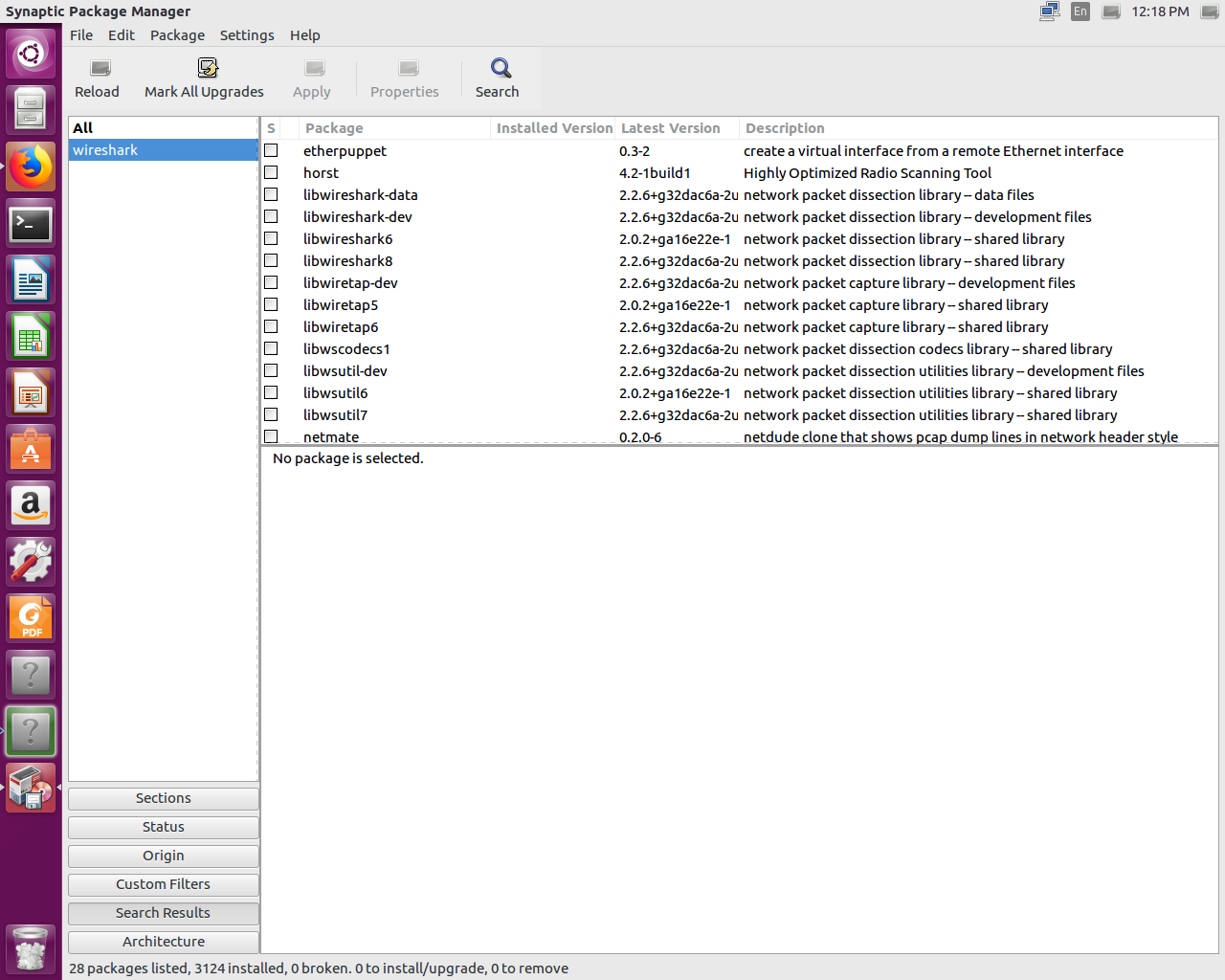
  1. We'll scroll down and select the main wireshark package, just the one that says Wireshark, as shown in the following screenshot:
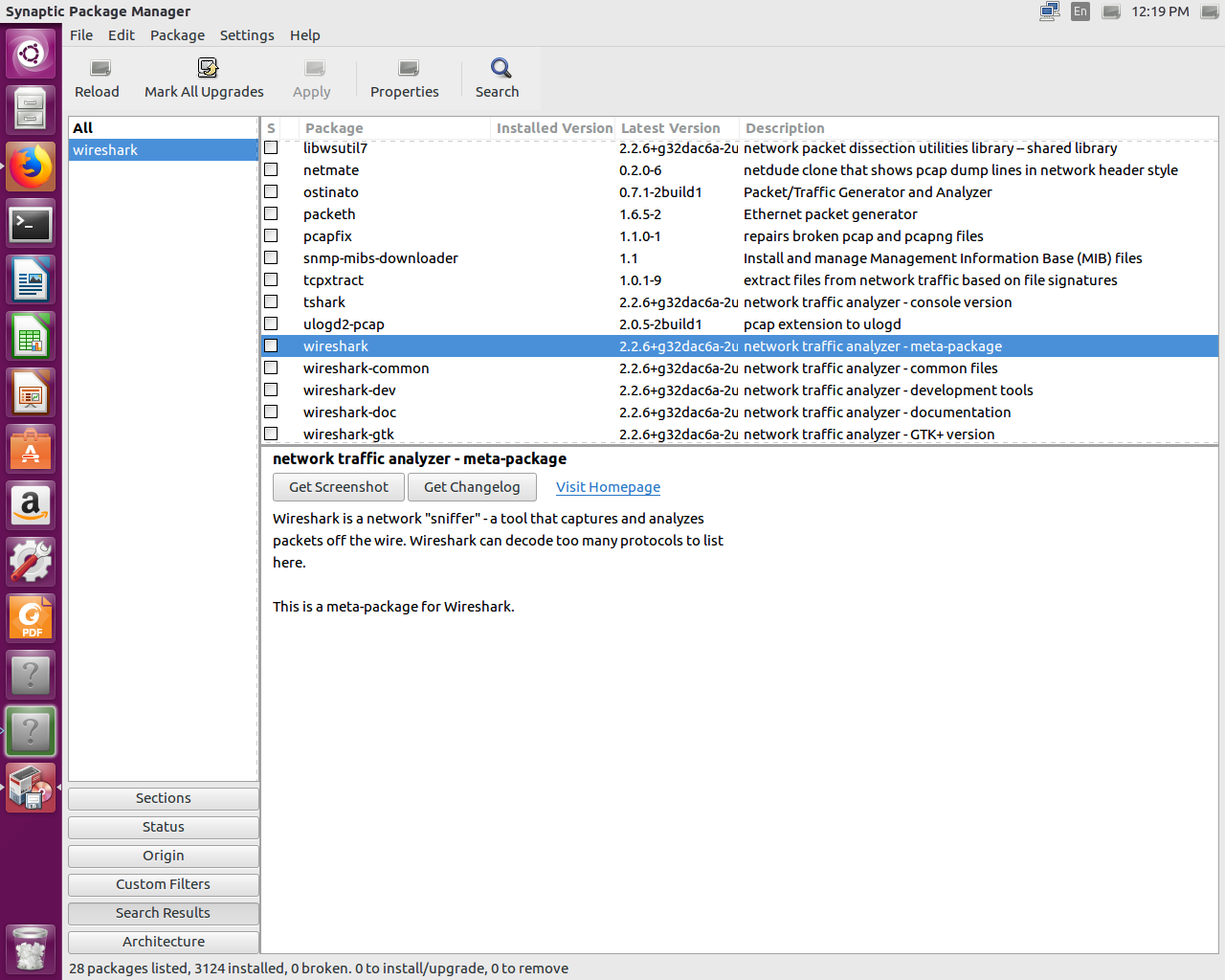
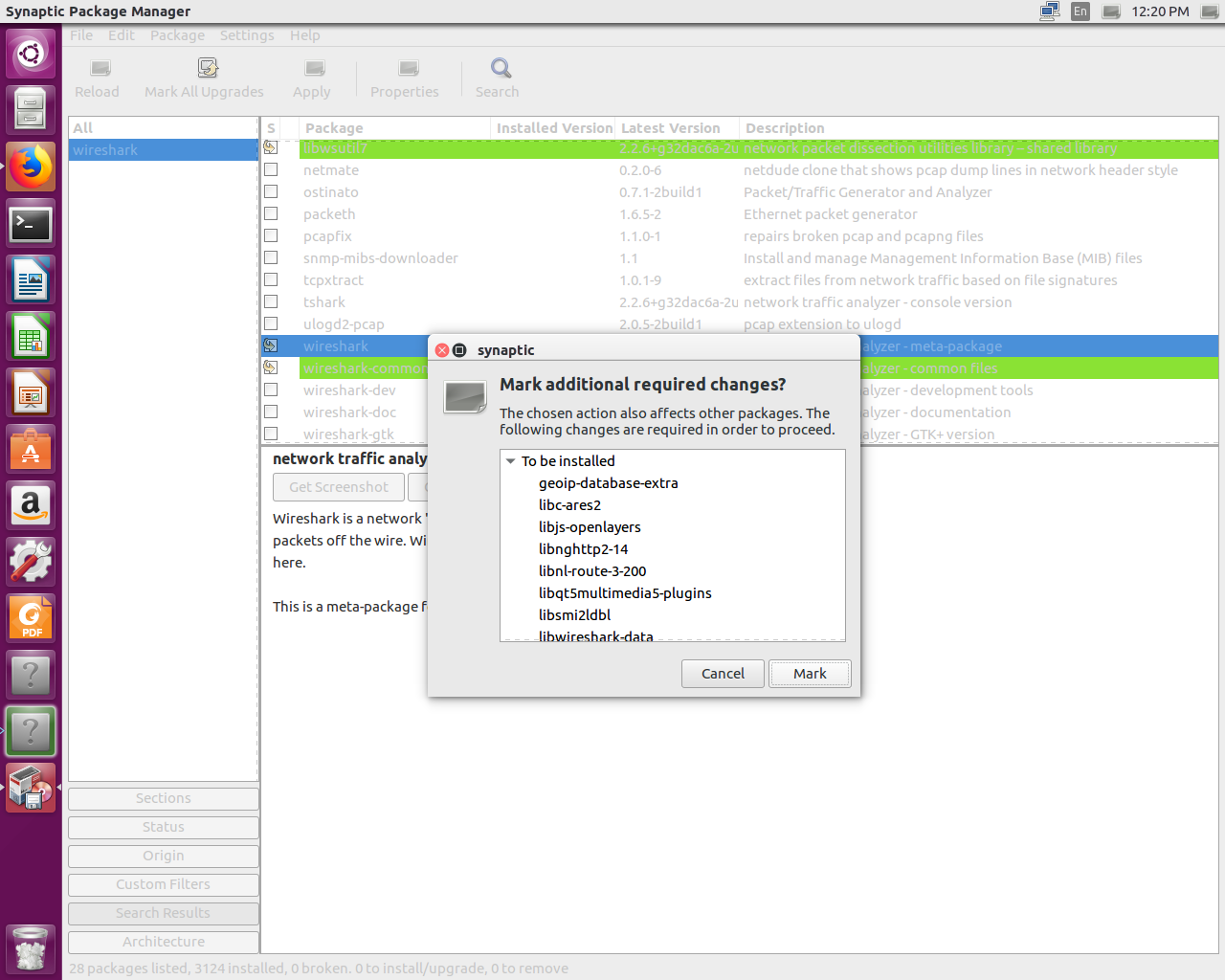
  1. So we'll select that; click on that, and select Mark for Installation. It will then ask you if it's okay to install other packages that are required. We can say sure, that's fine; Mark them for installation as well. So now all of our dependencies will be installed, as well:
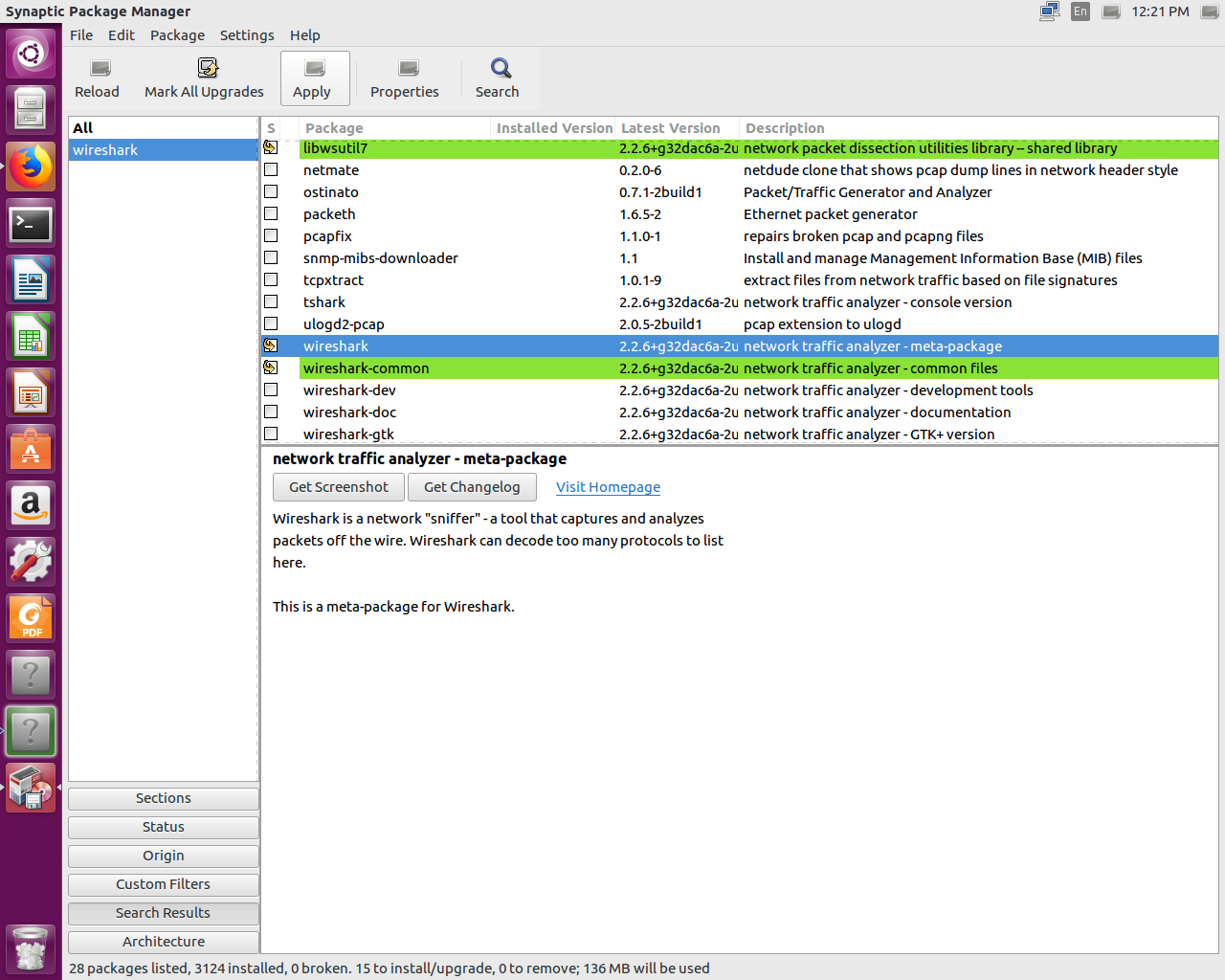
  1. We can then go up and click on Apply, and it'll tell us that we'll be installing the following packages. Click on Apply again, and Synaptic will go ahead and download and install all the programs that we've selected:
At this point, you'll receive a window popup asking you if non-superusers should be able to capture packets. I would recommend selecting Yes. That will allow you to separate your root user from your standard users, but still allow you, as a standard user, to capture packets.
  1. Once everything is complete, you'll receive a Changes applied window. It'll say: Successfully applied all changes. You can now close the window.
  2. Simply click on Close, and you'll see everything here marked in green is now installed, including Wireshark:
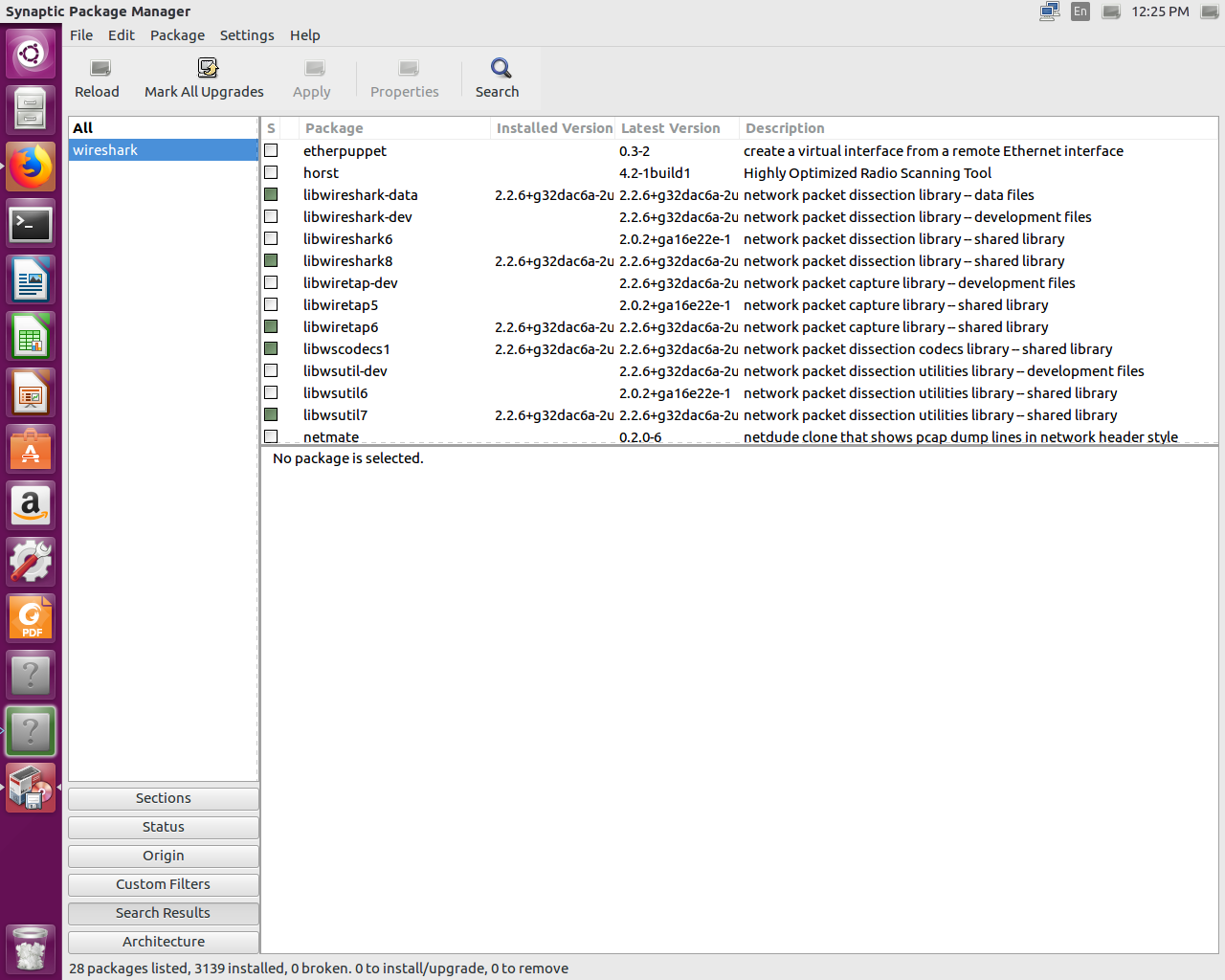
  1. So, at this point, we can close this program as well as the Ubuntu software. Next, click on the Search button in the upper left corner of the interface, and we'll type in wireshark. It automatically shows that Wireshark is here. We can simply click on that and it will load Wireshark.
  2. At this point, once Wireshark loads, you're done.