
However, this problem might be a non-issue once HTTP/2 becomes more widely adopted. With HTTP/1.1, we need to establish separate HTTP and TCP connections for each resource we want to retrieve, even when those resources reside on the same server. Establishing a TCP connection requires a three-way handshake, which is expensive.
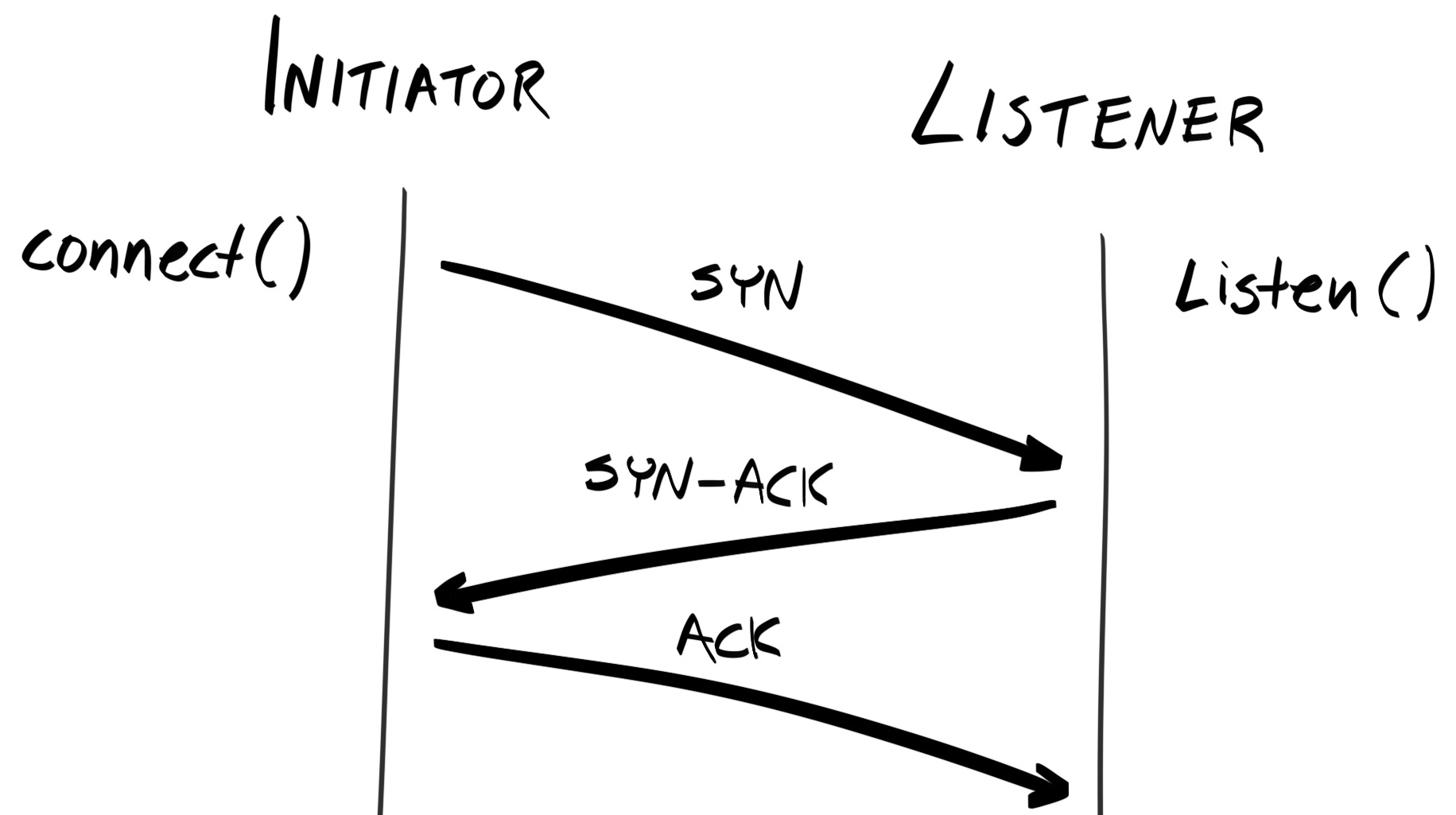
With HTTP/2's multiplexing feature, a single TCP connection can be used to make multiple HTTP requests. Furthermore, multiple request and response messages can be sent in-flight simultaneously. Therefore, if HTTP/2 is widely adopted, making multiple requests would not be expensive anymore.
For HTTP/2 to work, it needs to be supported for both the browser and the server.
According to caniuse.com (caniuse.com/#feat=http2), at the time of writing, only 84.53% of browsers support HTTP/2. And according to W3Techs (w3techs.com/technologies/details/ce-http2/all/all), at the time of writing, HTTP/2 is used by only 25.3% of all websites. Therefore, a significant segment of browser usage is still on HTTP/1.x browsers. On those browsers, we'd still have to make hundreds to thousands of TCP connections on each page load; this is unacceptable. Therefore, until HTTP/2 support is almost universal, the status quo is still to use a module bundler in order to reduce load speed.
As we have mentioned, the most mature and widely-adopted module bundler is Webpack, and so for the rest of this chapter, we will convert our application to using ES6 modules, and using Webpack to process and bundle our application together.