Lousy URLs are URLs that have been created with malicious intent. They are often the precursors to cyberattacks that may happen in the near future. Lousy URLs can hit pretty close to home, leaving each one of us very vulnerable to bad sites that we might visit on purpose or by accident.
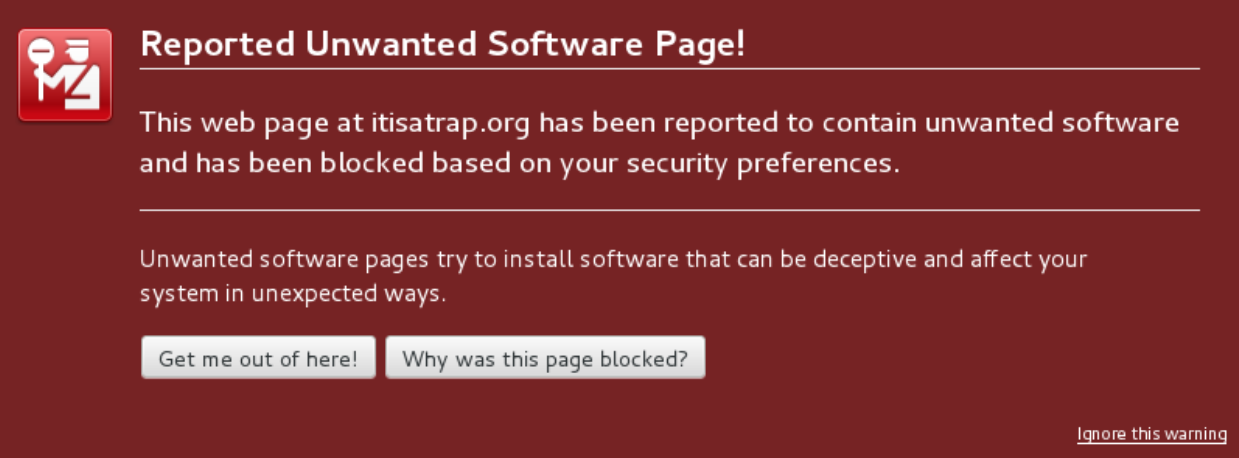
Google often has inbuilt malicious URL detection capabilities, and the following screenshot shows what many of us have bumped into upon detecting a malicious URL:
Malicious URLs lead us to bad websites that either try to sell us counterfeit products, such as medication, unsolicited products, such as watches from Rolex, and so on. These websites might sell a variety of items, such as screensavers for your computer and funny pictures.
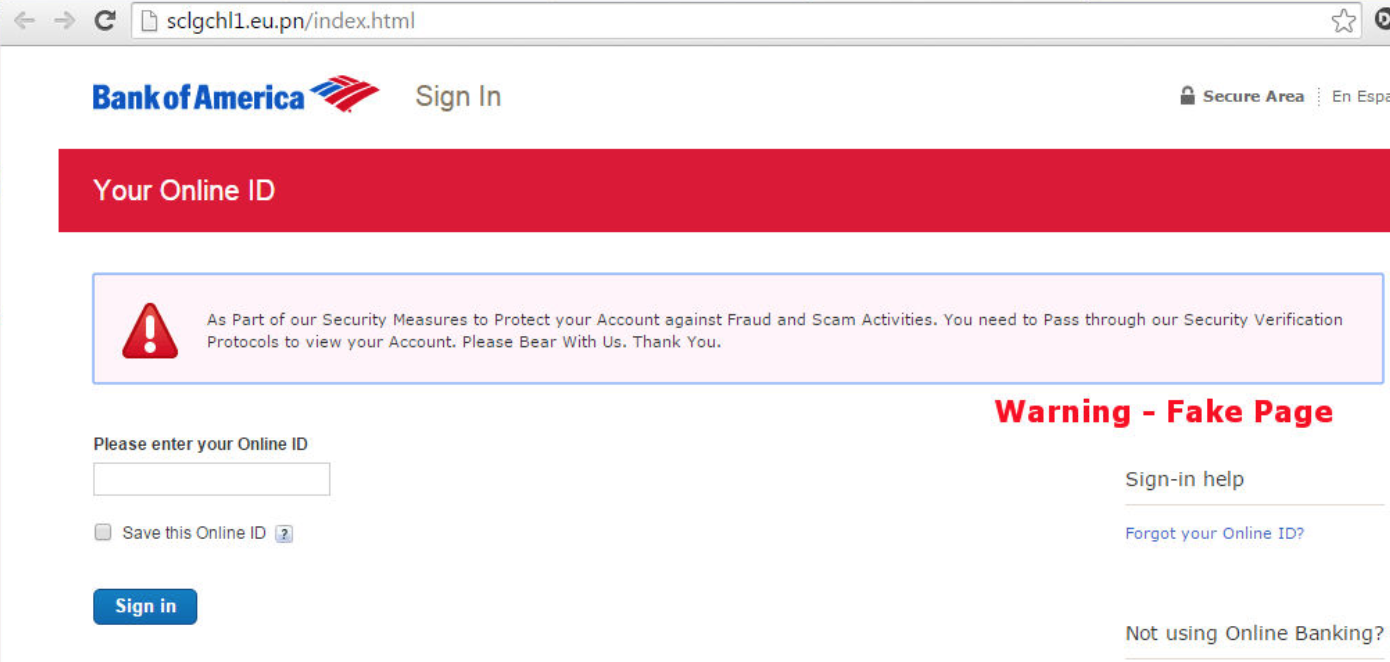
Bad URLs may also lead to phishing sites—that is, sites that imitate real websites, such as banks and credit card company websites, but with the sole purpose of stealing credentials.
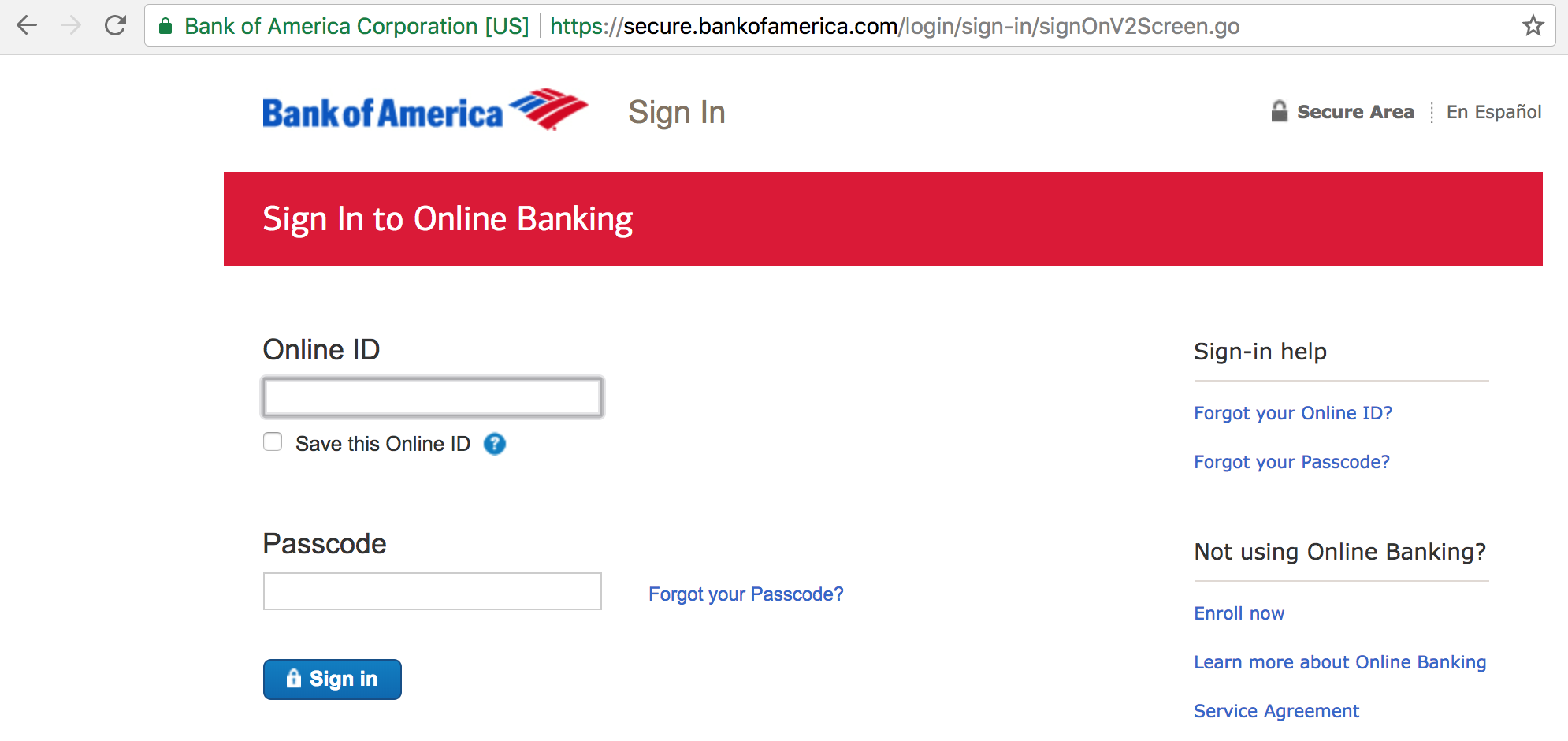
The following screenshots show a legitimate Bank of America login page and a fake Bank of America login page. The difference between the two is that the fake page has a illegitimate URL.
This is a legitimate Bank of America page and is not malicious:
This is a fake Bank of America page, where the URL is not that of the host of Bank of America: