Table of Contents for
NoSQL and SQL Data Modeling: Bringing Together Data, Semantics, and Software
 NoSQL and SQL Data Modeling: Bringing Together Data, Semantics, and Software
Published by
Technics Publications, 2016
NoSQL and SQL Data Modeling: Bringing Together Data, Semantics, and Software
Published by
Technics Publications, 2016
- cover
- NoSQL and SQL Data Modeling
- FrontMatter
- FrontMatter-1
- FrontMatter-2
- FrontMatter-3
- Acknowledgements
- Introduction
- Part I Real Words in the Real World
- Chapter 1 It’s All about the Words
- Chapter 2 Things: Entities, Objects, and Concepts
- Chapter 3 Containment and Composition
- Chapter 4 Types and Classes in the Real World
- Part II The Tyranny of Confusion
- Chapter 5 Entity-Relationship Modeling
- Chapter 6 The Unified Modeling Language
- Chapter 7 Fact-Based Modeling Notations
- Chapter 8 Semantic Notations
- Chapter 9 Object-Oriented Programming Languages
- Part III Freedom in Meaning
- Chapter 10 Objects and Classes
- Chapter 11 Types in Data and Software
- Chapter 12 Composite Types
- Chapter 13 Subtypes and Subclasses
- Chapter 14 Data and Information
- Chapter 15 Relationships and Roles
- Chapter 16 The Relational Theory of Data
- Chapter 17 NoSQL and SQL Physical Design
- Part IV Case Study
- Chapter 18 The Common Coffee Shop
- APPENDIX COMN Quick Reference
- Glossary
- Photo and Illustration Credits
- Index
|
|
A complete reference for the Concept and Object Model Notation can be found at the author’s Web site at http://www.tewdur.com/. This appendix provides a quick reference for use with this book.
Figure A-1 shows the hexagons, rectangles, and rounded rectangles used by COMN to represent entities, types of entities, and the states or values of entities. It also illustrates the meaning of the four different types of outline. A shadow on a shape represents a collection of that which is represented by the shape. The symbols as shown represent composite entities. Add crossed lines through a shape to indicate that it is simple, representing entities that have no components.
Figure A-2 shows the kinds of relationship lines that do not express composition, and Figure A-3 shows the kinds of relationship lines that express composition. Arrowheads on the lines indicate the direction of reference (and not data flow). Arrows that are part of the label text indicate reading direction. Labels on the lines having arrowheads are unnecessary, as such lines only ever have a single meaning. However, labels are strongly recommended to provide the names and readings of relationships, and to identify the roles played by participants in the relationships. Labels on unadorned lines are always necessary unless the lines are between dissimilar polygons, in which case they have only one meaning. Line weights (normal, bold) and style (solid, dashed) indicate whether the relationship is in the computer (normal weight) or the real world (bold weight) and whether the relationship is physical (solid line) or conceptual (dashed line).
Figure A-4 shows the pentagon symbol for restriction (that is, subtyping) and the triangle for extension. Extension can only apply to composite base types or classes. The relationships may be read in either direction. The labels on the lines are unnecessary, as the meaning of the lines is fixed when connecting these kinds of symbols. An arrowhead may be placed on a line to indicate direction of reference. An X in the center of the pentagon or triangle indicates exclusivity. Restriction and extension also applies to variables and objects.
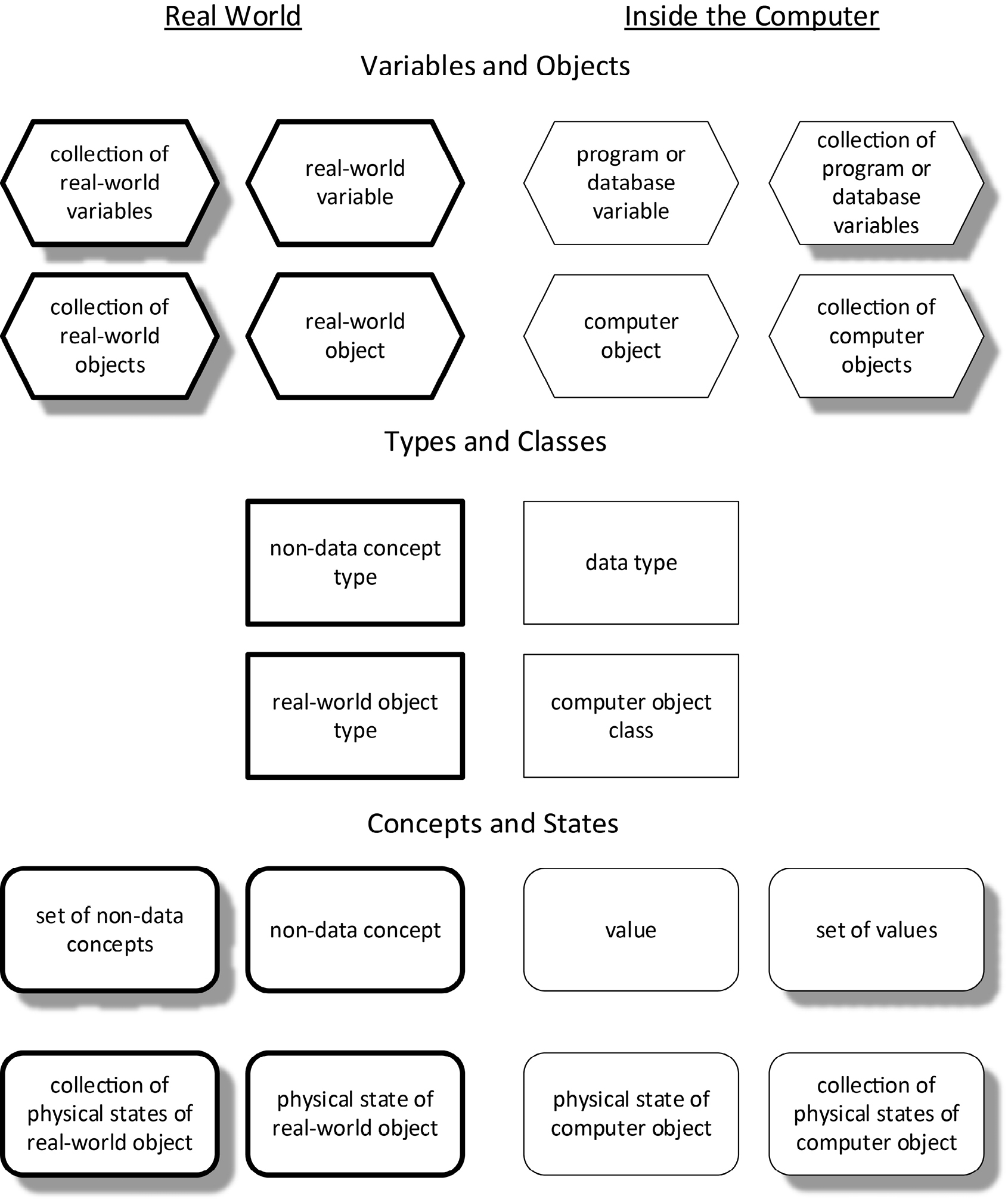
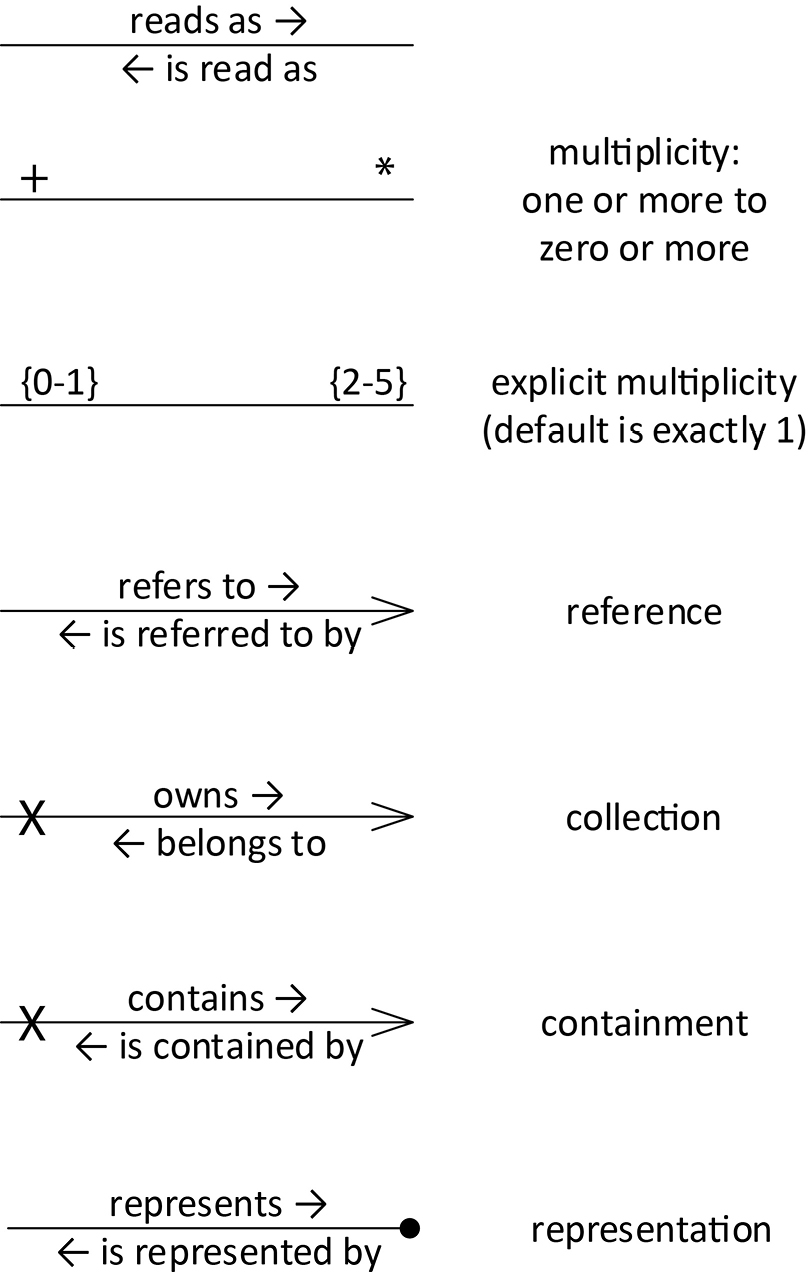
Figure A-2. Non-Composition Relationship Lines
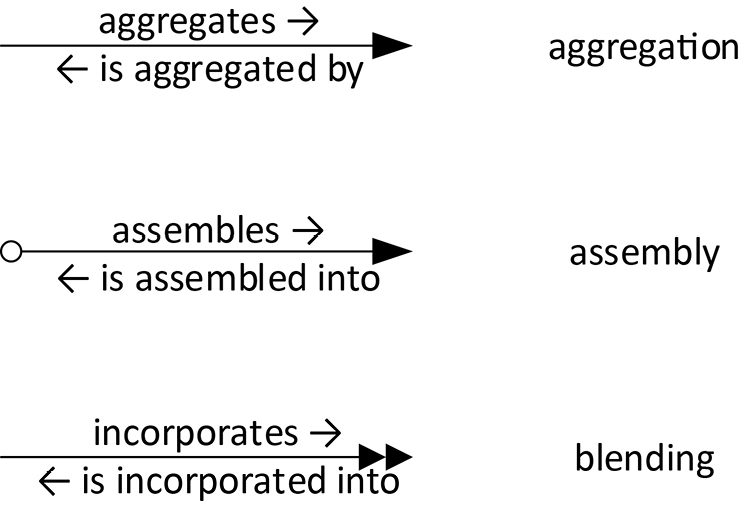
Figure A-3. Composition Relationship Lines
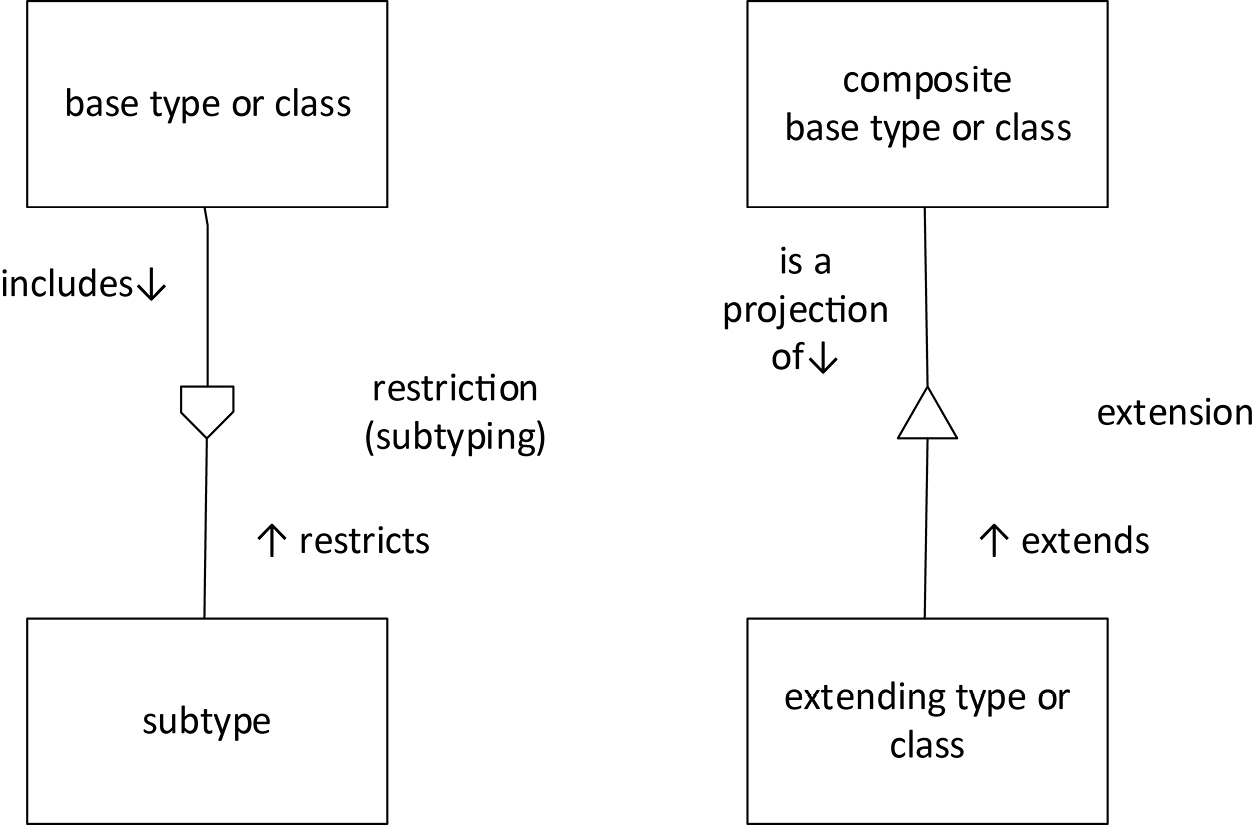
Figure A-4. Restriction (Subtyping) and Extension.
Figure A-5 shows the symbols for composite types, variables, and concepts, when it is desired to list their components. The outlines of these symbols may be varied to depict real-world (bold) and/or physical (solid) entity types, entities, and concepts or states. If a type or class does not encapsulate its components, then the bottom section for methods is crossed out.
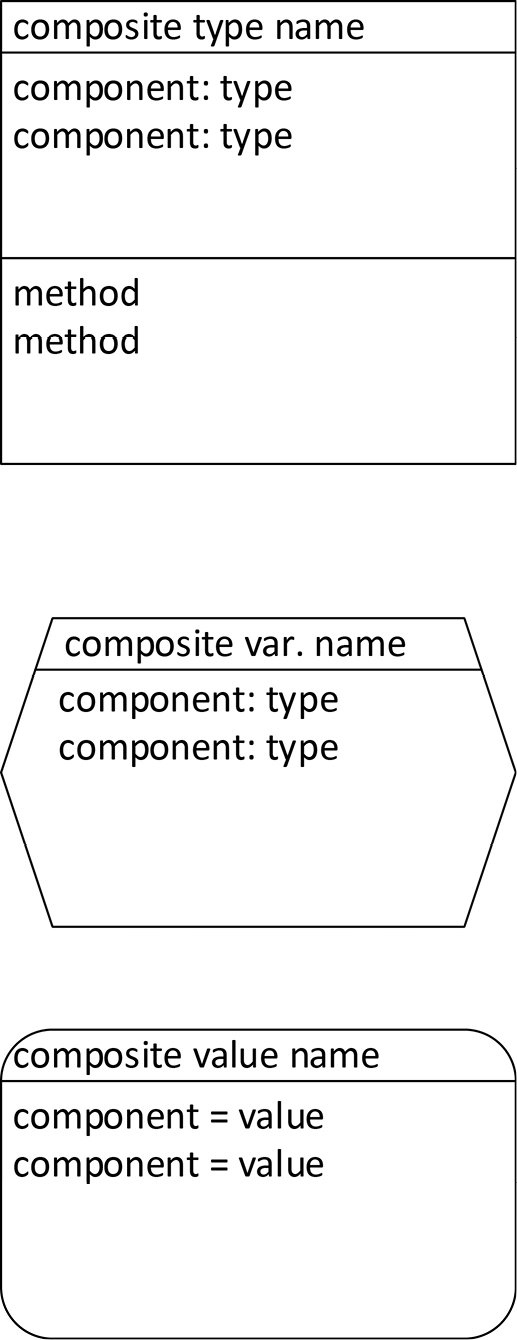
Figure A-5. Symbols for Composite Entities Showing Components