Table of Contents for
DK Eyewitness Travel Guide Scotland
 DK Eyewitness Travel Guide Scotland
Published by
DK Eyewitness Travel, 2019
DK Eyewitness Travel Guide Scotland
Published by
DK Eyewitness Travel, 2019
- COVER
- Half Title
- CONTENTS
- DISCOVER SCOTLAND
- Welcome to Scotland
- Reasons to Love Scotland
- Explore Scotland
- Discover Itineraries
- Scotland Itineraries
- 7 Days On the North Coast 500
- Scotland for Outdoor Adventures
- Scotland for Wildlife Encounters
- Scotland for Spectacular Castles
- Scotland for Bookworms
- Scotland for Art Lovers
- Scotland for Music Lovers
- Scotland for Foodies
- Scottish Spirit
- Scotland for Families
- Scotland for Beachgoers
- Scotland on Screen
- A Year in Scotland
- A Brief History
- EXPERIENCE SCOTLAND
- Edinburgh
- Area Map - Edinburgh
- 2 Days
- Edinburgh’s Summer Festivals
- Quiet Escapes Edinburgh’s
- Edinburgh Castle
- The Royal Mile
- Calton Hill
- National Museum of Scotland
- Scottish National Gallery
- Experience More
- A Short Walk - New Town
- A Long Walk - Water of Leith Walkway
- Southern Scotland
- Area Map - Southern Scotland
- Culzean Castle and Country Park
- Abbotsford
- Experience More
- Glasgow
- Area Map - Glasgow
- 2 Days in Glasgow
- Glasgow’s Industrial Heritage
- Basilica di San Marco
- Kelvingrove Art Gallery and Museum
- Experience More
- Central and Northeast Scotland
- Area Map - Central and Northeast Scotland
- The Veneto and Friuli
- Scone Palace
- Loch Lomond and the Trossachs National Park
- Stirling Castle
- Experience More
- The Highlands and Islands
- Area Map - The Highlands and Islands
- Highland Traditions and Culture
- Remote Island Getaways
- Ben Nevis
- Cairngorms National Park
- The Great Glen
- Isle of Skye
- Orkney Islands
- Shetland Islands
- Outer Hebrides
- Experience More
- A Driving Tour - Road to the Isles
- NEED TO KNOW
- Before You Go
- Getting Around
- Practical Information
- Scottish Vocabulary
- ACKNOWLEDGEMENTS AND IMPRINTS
- Copyright
- Navigational Contents
Highland
Traditions and Culture
After the Battle of Culloden in 1706, the British government set out to destroy Highland culture. Some say this only strengthened Highlanders’ resolve to celebrate their heritage, which continues to this day in the form of clan gatherings, spectacular sporting tournaments, and Highland Games.
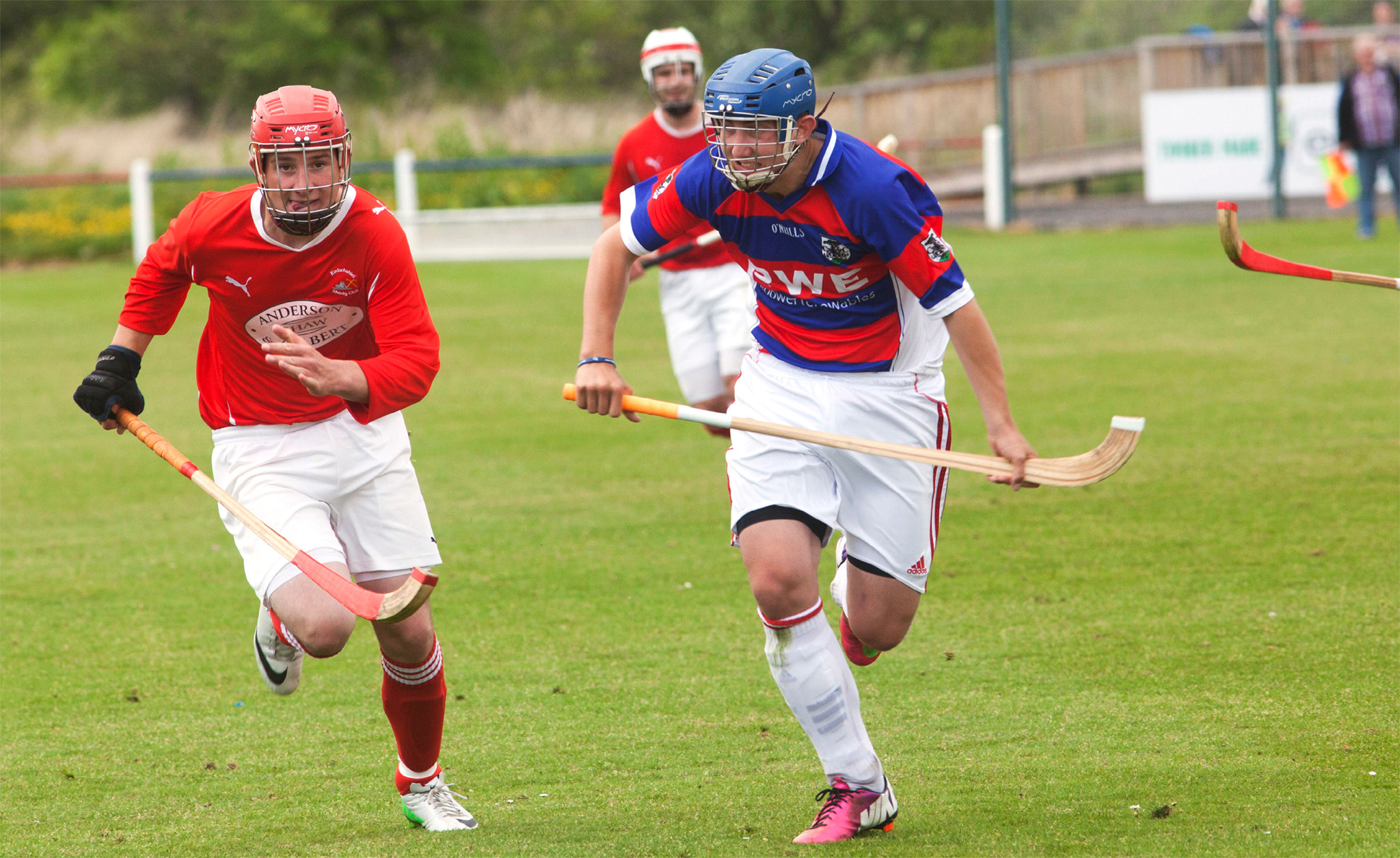
t Players engaged in the traditional Highland sport of Camanachd, or shinty
Fast and Furious Highland Sport
Camanachd (shinty), the fast and fearsome sport of the Highlands, plays out much like a ferocious clan battle. Players raise their sticks to hit the ball in the air and physical contact is allowed. Men’s and Women’s finals for the Camanachd and Valerie Fraser cups take place in September. Check www.shinty.com for local fixtures.
Traditional Highland Games
Kilted muscle-men (and women) are a high point of any Highland Games, where athletes toss mighty cabers, hurl massive hammers and throw mammoth weights. Over 80 events take place in villages, castle grounds and Highland estates across the country every weekend from May to September.
Royal Edinburgh Military Tattoo
After the defeat of the Jacobites, clans who fought for Bonnie Prince Charlie were recruited to fight for King George. The Black Watch is the oldest of these kilted regiments, which in 2006 were merged to create the Royal Regiment of Scotland. They can be seen (and heard) in their full tartan glory at the Edinburgh Military Tattoo, held at Edinburgh Castle during the month of August.
Braemar Gathering, Ballater
Held annually in Ballater, the Braemar Gathering hosts one of the most prestigious and renowned Highland clan gatherings in the country. Thousands attend to enjoy the spectacle. Watch Highland dancers compete for style points as hundreds of pipers and drummers march in unison, and sample all manner of traditional Scottish food and drink.
Behind the Kilt
In the 16th century, the kilt was a full-length garment, with the upper half worn as a cloak. An elaborate code lays down who can wear what tartan. Most clans have at least two tartans – a bold pattern for formal dress and a second more muted version for everyday wear. Up to 20 new tartans are created every year and kilts in stripes or polka dots, accessorized with fake-fur sporrans in rainbow colours, are a fun alternative to the traditional plaid.

Insider tip
The Royal National Mòd
Listen to traditional pipe and clarsach (harp) music and melancholy Gaelic song and verse at the Royal National Mòd, which is held in a different location in the Scottish Highlands every year.