Table of Contents for
DK Eyewitness Travel Guide Scotland
 DK Eyewitness Travel Guide Scotland
Published by
DK Eyewitness Travel, 2019
DK Eyewitness Travel Guide Scotland
Published by
DK Eyewitness Travel, 2019
- COVER
- Half Title
- CONTENTS
- DISCOVER SCOTLAND
- Welcome to Scotland
- Reasons to Love Scotland
- Explore Scotland
- Discover Itineraries
- Scotland Itineraries
- 7 Days On the North Coast 500
- Scotland for Outdoor Adventures
- Scotland for Wildlife Encounters
- Scotland for Spectacular Castles
- Scotland for Bookworms
- Scotland for Art Lovers
- Scotland for Music Lovers
- Scotland for Foodies
- Scottish Spirit
- Scotland for Families
- Scotland for Beachgoers
- Scotland on Screen
- A Year in Scotland
- A Brief History
- EXPERIENCE SCOTLAND
- Edinburgh
- Area Map - Edinburgh
- 2 Days
- Edinburgh’s Summer Festivals
- Quiet Escapes Edinburgh’s
- Edinburgh Castle
- The Royal Mile
- Calton Hill
- National Museum of Scotland
- Scottish National Gallery
- Experience More
- A Short Walk - New Town
- A Long Walk - Water of Leith Walkway
- Southern Scotland
- Area Map - Southern Scotland
- Culzean Castle and Country Park
- Abbotsford
- Experience More
- Glasgow
- Area Map - Glasgow
- 2 Days in Glasgow
- Glasgow’s Industrial Heritage
- Basilica di San Marco
- Kelvingrove Art Gallery and Museum
- Experience More
- Central and Northeast Scotland
- Area Map - Central and Northeast Scotland
- The Veneto and Friuli
- Scone Palace
- Loch Lomond and the Trossachs National Park
- Stirling Castle
- Experience More
- The Highlands and Islands
- Area Map - The Highlands and Islands
- Highland Traditions and Culture
- Remote Island Getaways
- Ben Nevis
- Cairngorms National Park
- The Great Glen
- Isle of Skye
- Orkney Islands
- Shetland Islands
- Outer Hebrides
- Experience More
- A Driving Tour - Road to the Isles
- NEED TO KNOW
- Before You Go
- Getting Around
- Practical Information
- Scottish Vocabulary
- ACKNOWLEDGEMENTS AND IMPRINTS
- Copyright
- Navigational Contents
B3 ⌂ Castlehill to Canongate
Thronged with street entertainers and lined with shops, pubs and restaurants, the lively Royal Mile is for many the first taste of Edinburgh, and for good reason: most of the city’s top attractions are dotted along this ancient thoroughfare.
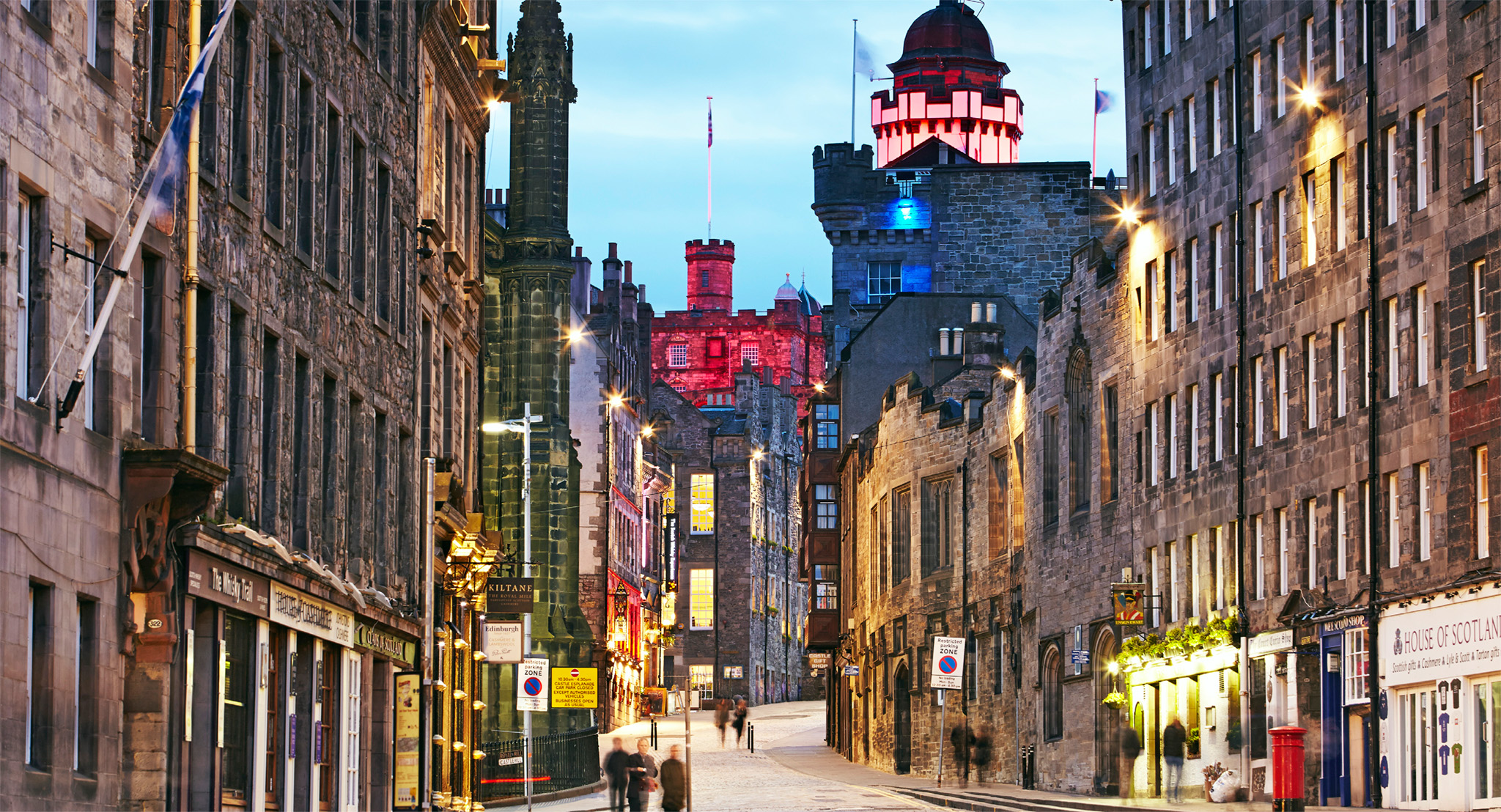
t Looking up Castlehill towards Edinburgh Castle at the top of the Royal Mile
Redolent of the city’s history, the Royal Mile is a stretch of four ancient streets (from Castlehill to Canongate) which formed the main thoroughfare of medieval Edinburgh, linking the ancient castle to the Palace of Holyroodhouse. Confined by the city wall, the “Old Town” grew upwards, with some tenements, or “lands”, as they were known, rising 20 storeys above the dozens of dark, cobbled wynds and closes below.
Experience Edinburgh
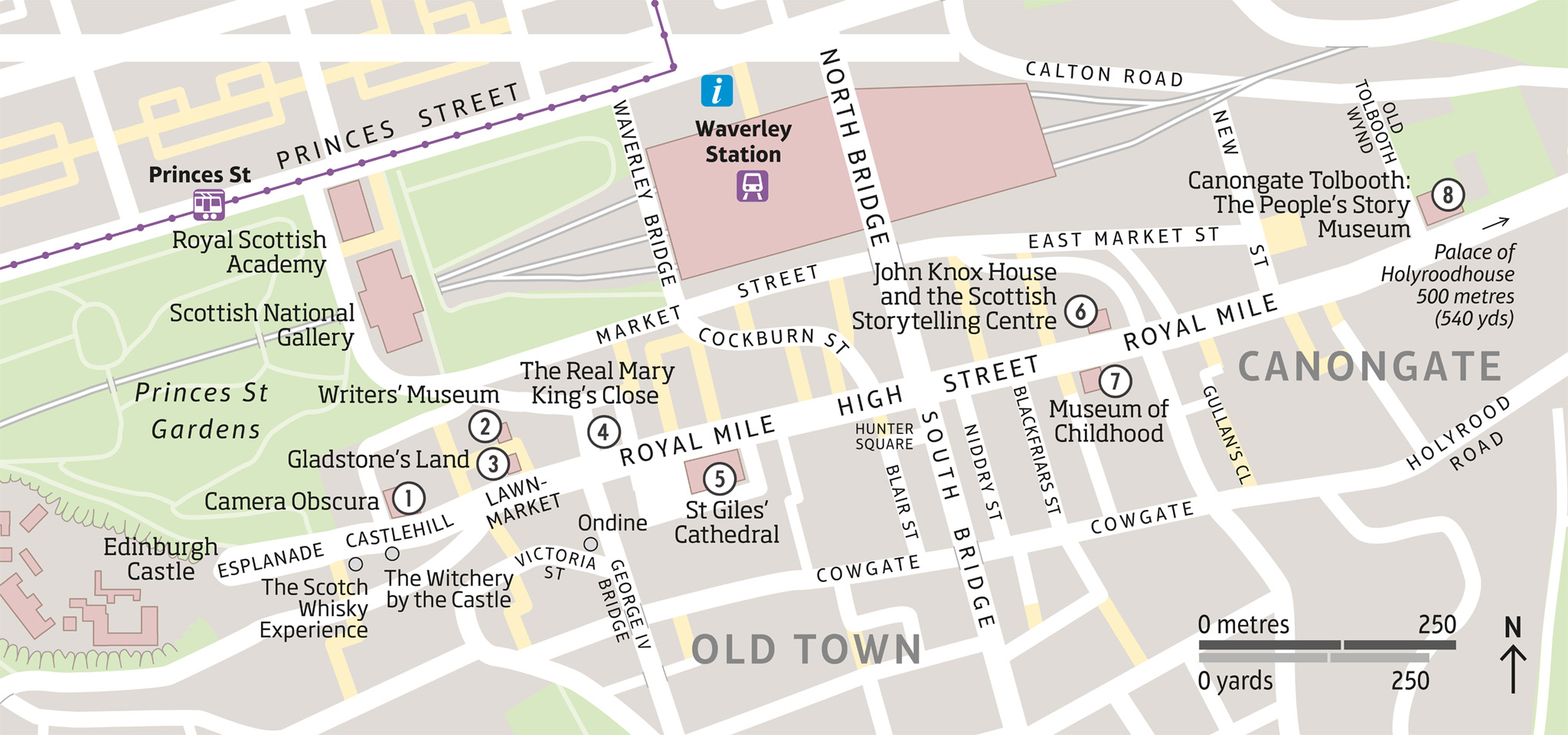
n Double-tap image to read the labels
Experience Edinburgh
Timeline |
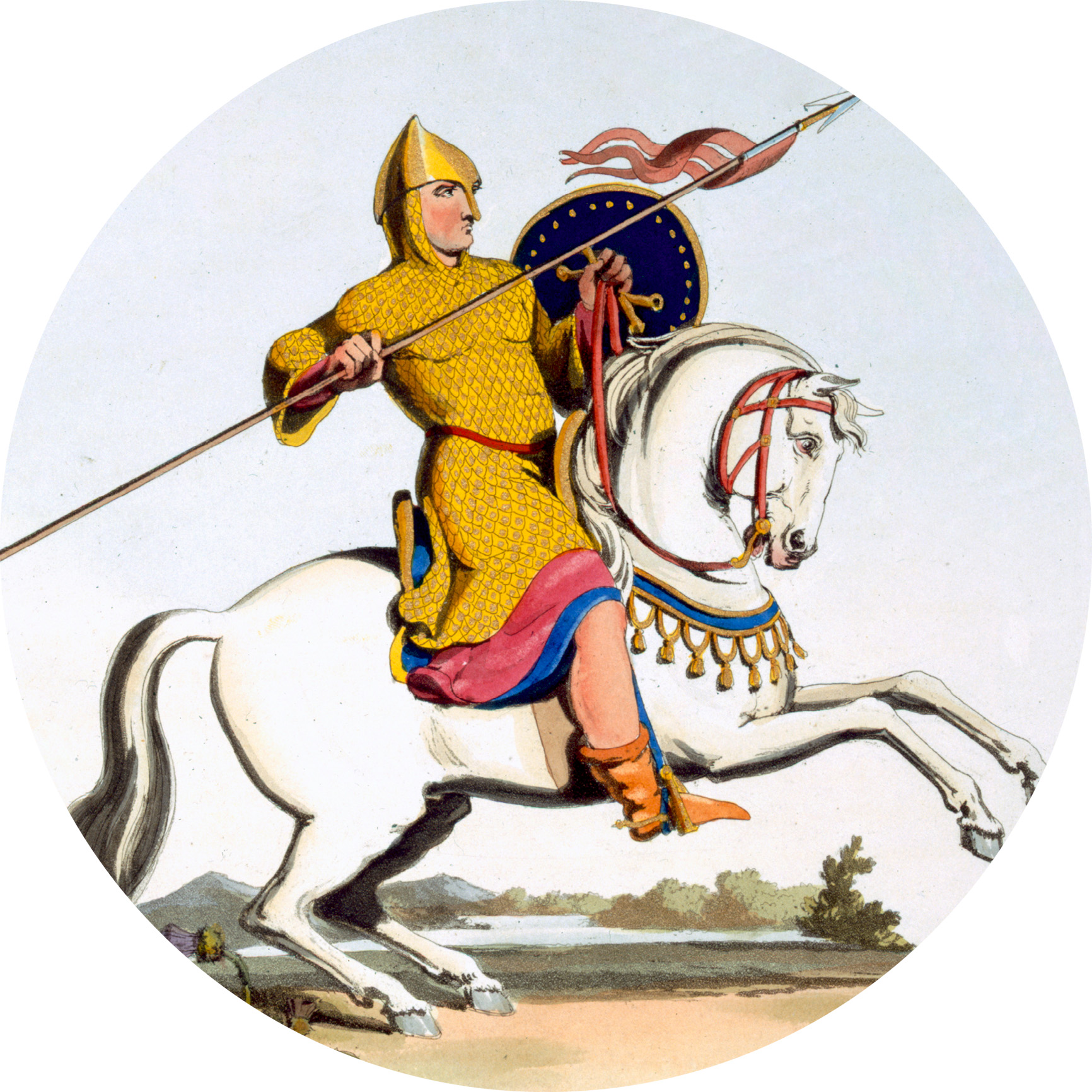
1124St Giles’ Cathedral founded either by King Alexander I or by King David I |
1688Holyrood Abbey ransacked by anti-Jacobite protesters |
1691Canongate Kirk built |
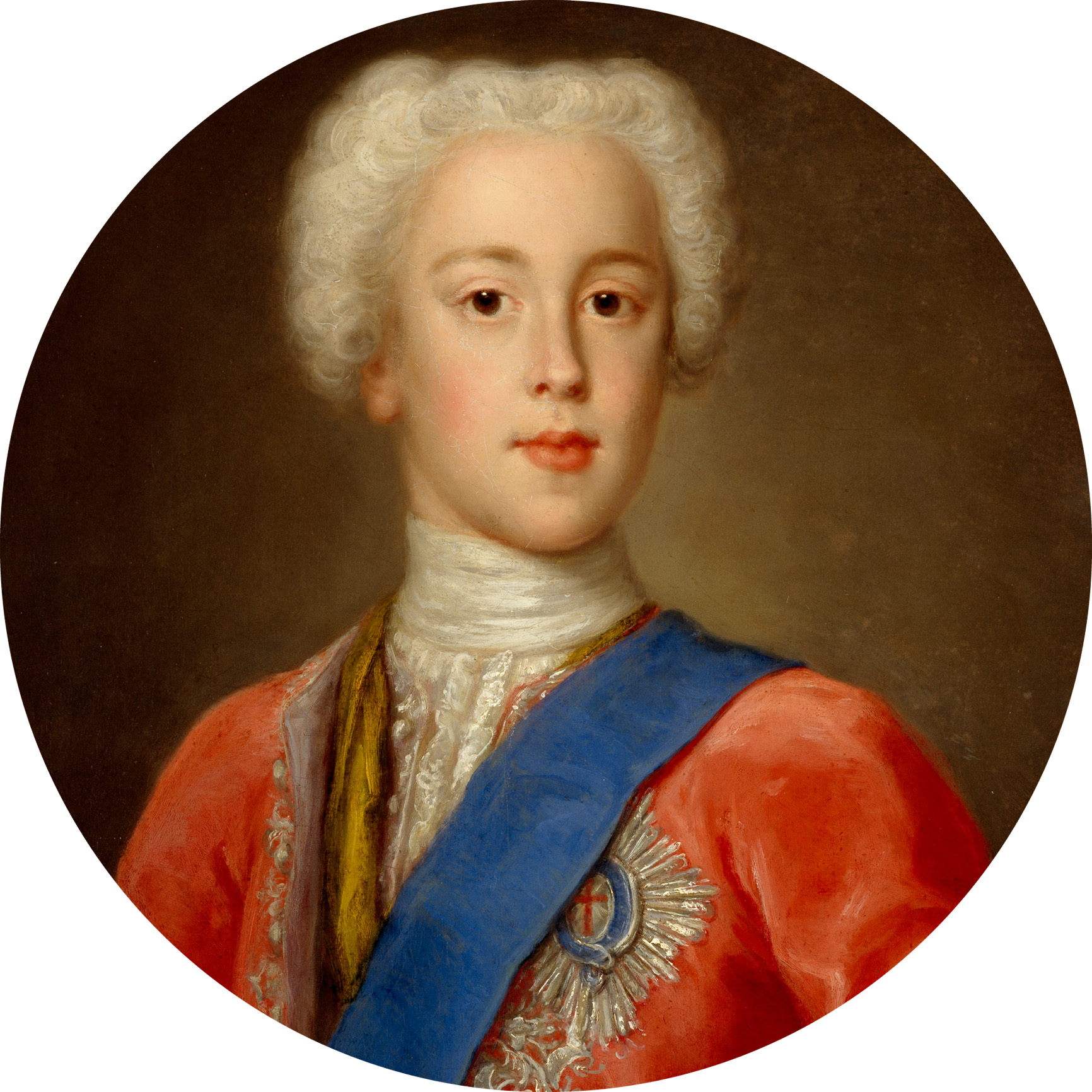
1745Bonnie Prince Charlie proclaims his exiled father king at the Mercat Cross |
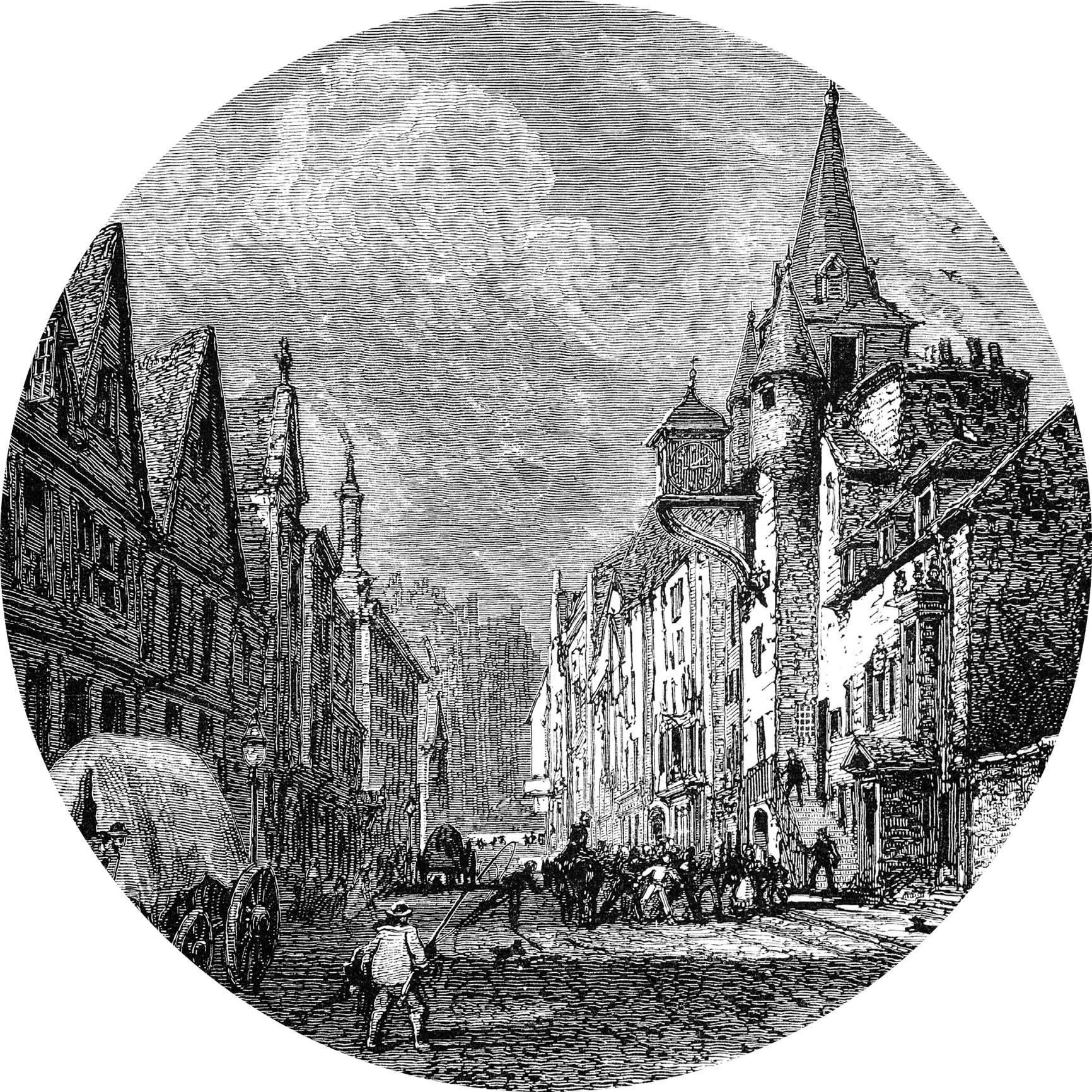
1856Burgh of Canongate, founded 1143, becomes part of the City of Edinburgh |
2004New Scottish Parliament opens at Holyrood |
The lower floors of this building date from the early 17th century and were once the home of the Laird of Cockpen. In 1852, Maria Short added the upper floor, the viewing terrace and the Camera Obscura – a large pinhole camera that pictures life in the city centre as it happens. A marvel at the time, this feat of Victorian craftsmanship still astonishes visitors accustomed to 21st- century mobile devices, and it remains one of Edinburgh’s most popular attractions.
Celebrated Scottish authors Robert Burns, Sir Walter Scott and Robert Louis Stevenson are the stars of this museum, which is crammed with intriguing memorabilia, including a cast of Burns’s skull, journals, manuscripts and belongings such as Stevenson’s riding boots. It occupies Lady Stair’s House, a gracious 17th century building, constructed in 1622 on Makar’s Court, where flagstones commemorate many more national treasures who lived by their pen.
Experience Edinburgh
|
EAT & DRINK The Witchery by the Castle Excels at dishes with a rural flavour, like pheasant and venison terrine. Ask for a seat in the Secret Garden. ⌂ 352 Castlehill ∑ thewitchery.com ]]] Ondine Sleek and sophisticated seafood dishes, plus an oyster happy hour 5:30– 6:30pm Mon–Sat. ⌂ 2 George IV Bridge ∑ ondinerestaurant.co.uk ]]] The Scotch Whisky Experience Sample classic whiskies and new age malts at this centre for Scotland’s national drink. ⌂ 354 Castlehill ∑ scotchwhiskyexperience.co.uk |
This restored 17th- century merchant’s house provides a window on life in a typical Old Town house before overcrowding drove the rich inhabitants to the Georgian New Town. “Lands” were tall, narrow buildings on small plots of land. The six-storey Gladstone’s Land was named after Thomas Gledstanes, the merchant who built it in 1617.
Until the 18th century most residents of Edinburgh lived along and beneath the Royal Mile and the Cowgate. The old abandoned cellars and basements, which lacked any proper water supply, daylight or ventilation, were once centres of domestic life and industry. Under these conditions, cholera, typhus and smallpox were common. Mary King’s Close, under the City Chambers, is one of the most famous of these areas – its inhabitants were all killed by the plague in around 1645. In 2003 many of these closes were opened up for the first time and visits are now possible through The Real Mary King’s Close, a fascinating time capsule where costumed guides lead visitors in a walk back in time to learn about the Old Town’s gruesome past.
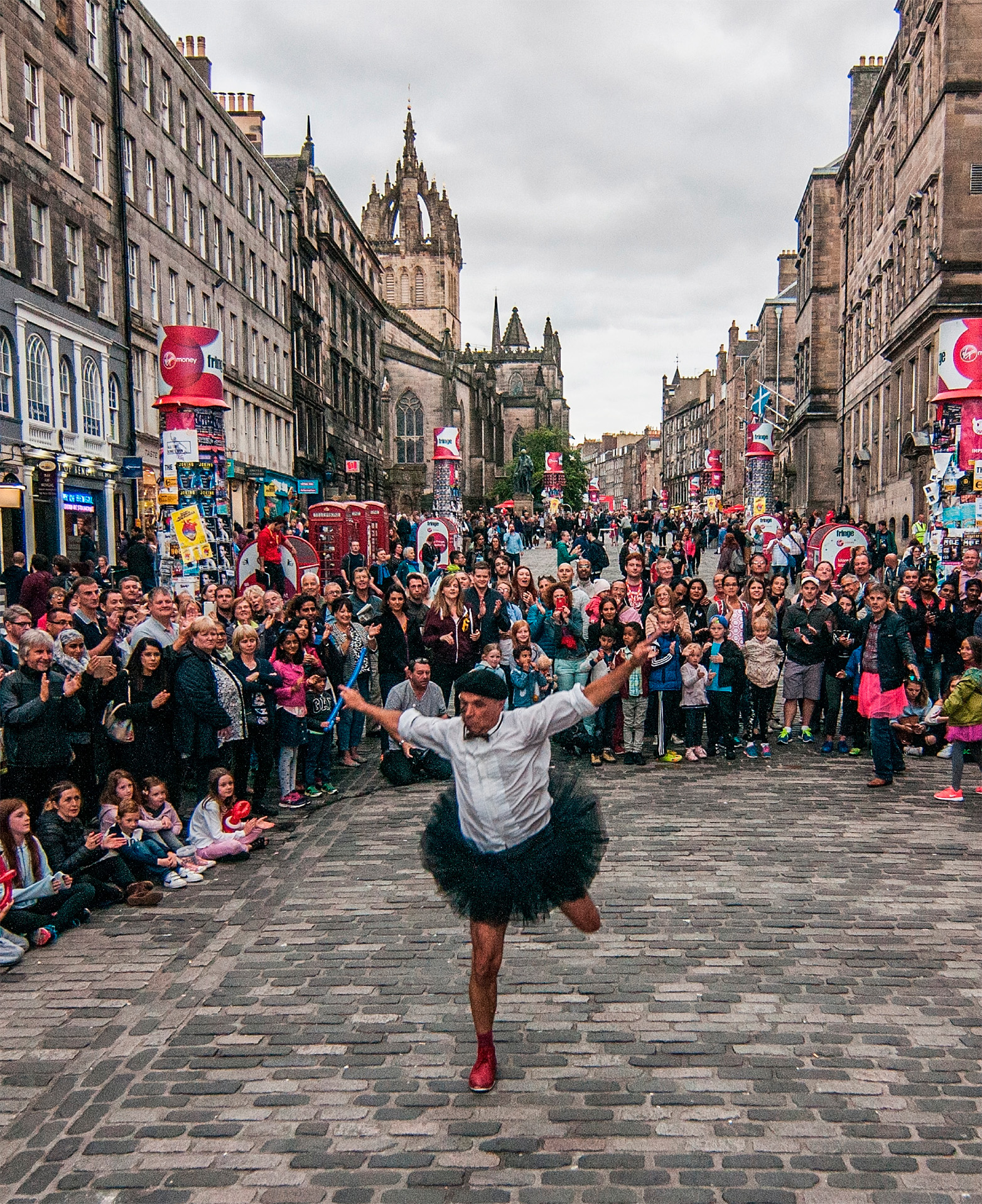
t Street entertainers on the Royal Mile during Edinburgh’s Festival season
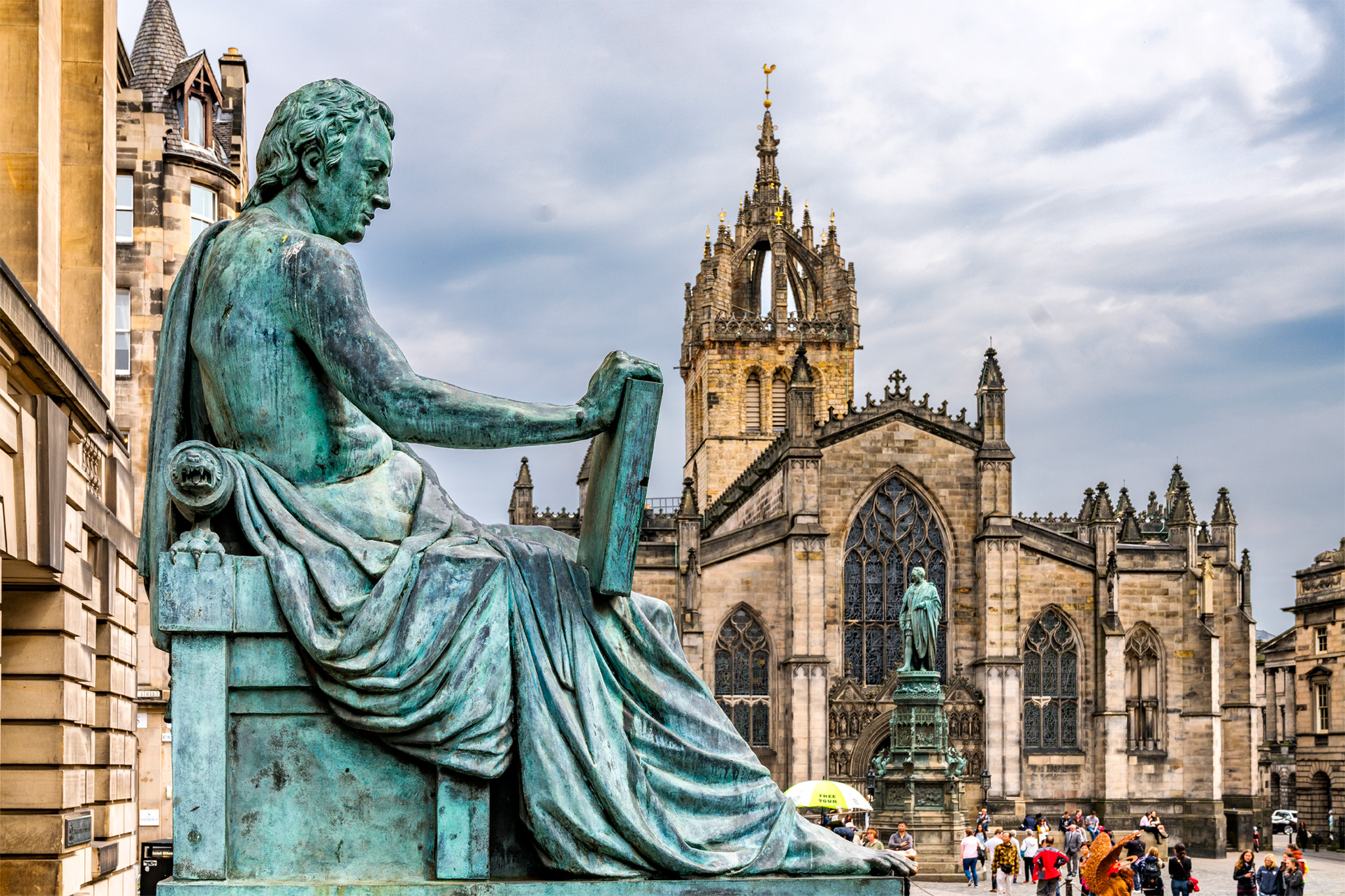
t Statue of philosopher David Hume opposite St Giles Cathedral
Properly known as the High Kirk (church) of Edinburgh, St Giles’ is popularly known as a cathedral. Though it was twice the seat of a bishop in the 17th century, it was from here that John Knox directed the Scottish Reformation, with its emphasis on individual worship freed from the authority of bishops. A tablet marks the place where Jenny Geddes, a local market stall-holder, scored a victory for the Covenanters in 1637 by hurling her stool at a preacher as he read from an English prayer book.
St Giles’ Gothic exterior has a 15th-century tower, the only part to escape heavy renovation in the 1800s. Inside, the beautiful Thistle Chapel with its rib-vaulted ceiling and carved heraldic canopies, honours the knights of the Most Ancient and Most Noble Order of the Thistle. The royal pew in the Preston Aisle is reserved for Queen Elizabeth II during her visits to Edinburgh.
66
Alleys and closes lead off the Royal Mile, some to hidden courtyards.
This beautiful medieval building with its crow-step gables and overhanging upper storeys was home to the great patriarch of the Scottish Reformation only briefly, but as one of Edinburgh’s oldest buildings it’s well worth exploring for its many surviving decorative details. As a leader of the Protestant Reformation and minister at St Giles’, John Knox (1513–72) was one of the most important figures in 16th- century Scotland. Ordained as a priest in 1536, Knox later became convinced of the need for religious change. He took part in the Protestant occupation of St Andrews Castle in 1547 and served two years as a galley slave in the French navy as punishment. On release, Knox went to London and Geneva to espouse the Protestant cause, returning to Edinburgh in 1559. This town house on the Royal Mile dates from 1470, and it was here that he spent the last few months of his life. Displays tell the story of Knox’s life in the context of the political and religious upheavals of his time.
The building also incorporates the Scottish Storytelling Centre. This modern annex to the medieval John Knox House is a venue for local and visiting storytellers and other exponents of the spoken word, performing traditional tales and new work in English, Scots dialect and Gaelic.
This is not merely a toy collection but an insight into childhood, with all its joys and trials. Founded in 1955, it was the world’s first museum of childhood. The collection includes medicines, school books, clothing and uniforms, old-fashioned toys and a growing collection of computer games, action figures and game consoles.
Amid the Royal Mile’s focus on monarchs and wealthy aristocrats, the People’s Story Museum emphasizes the lives of ordinary city dwellers from the 18th century to the present day. Oral histories and historic documents tell their stories, while the collection, ranging from photos and tableaux to the protest banners and regalia of workers’ organizations, brings them to life. The museum is housed in the 16th-century Tolbooth, which until the mid-19th century was the Edinburgh’s courthouse, jail and council chamber.