I've previously told you about OpenSCAP, which is a really useful tool to lock down your system with just a minimum amount of effort. OpenSCAP comes with various profiles that you can apply to help bring your systems into compliance with the standards of different regulatory agencies. However, there are certain things that OpenSCAP can't do for you. For example, certain regulatory agencies require that your server's hard drive be partitioned in a certain way, with certain directories separated out into their own partitions. If you've already set up your server with everything under one big partition, you can't fix that just by doing a remediation procedure with OpenSCAP. The process of locking down your server to ensure that it's compliant with any applicable security regulations has to begin before you even install the operating system. For this, you need the appropriate checklist.
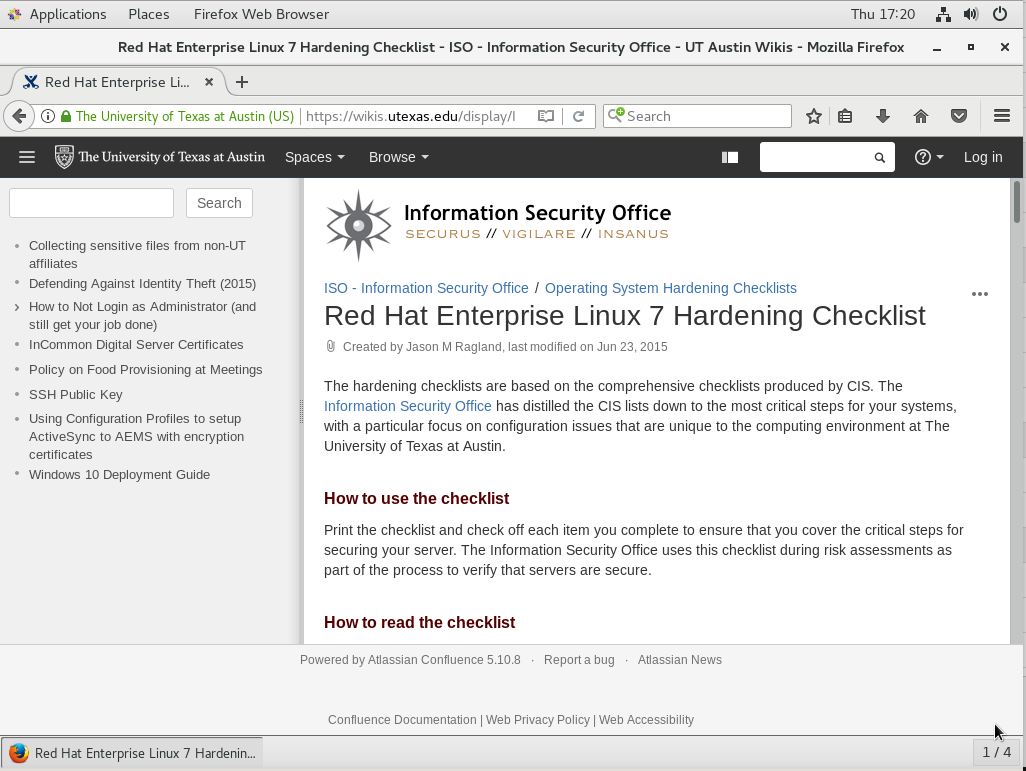
There are a few different places where you can obtain a generic security checklist if that's all you need. The University of Texas at Austin publishes a generic checklist for Red Hat Enterprise 7, which you can adjust if you need to use it with CentOS 7, Oracle Linux 7, or Scientific Linux 7. You might find that some checklist items don't apply to your situation, and you can adjust them as required:
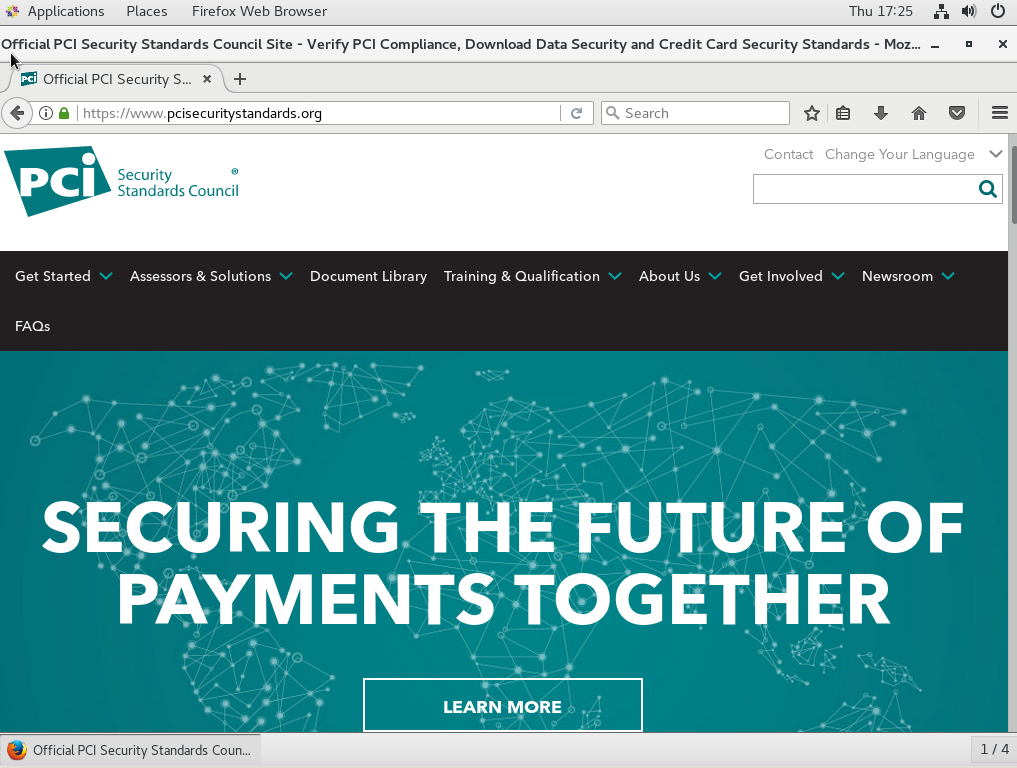
For specific business fields, you'll need to get a checklist from the applicable regulatory body. If you work in the financial sector or with a business that accepts credit card payments, you'll need a checklist from the Payment Card Industry Security Standards Council:
And, for healthcare organizations here in the U.S., there's HIPAA with its requirements. For publicly-traded companies here in the U.S., there's Sarbanes-Oxley with its requirements:
You can get a PCI-DSS checklist at: https://www.pcisecuritystandards.org/.
You can get a HIPAA checklist at: https://www.hipaainstitute.com/security-checklist.
And, you can get a Sarbanes-Oxley checklist at: http://www.sarbanes-oxley-101.com/sarbanes-oxley-checklist.htm.
Other regulatory bodies may also have their own checklists. If you know that you have to deal with any of them, be sure to get the appropriate checklist.